Crwydro - Wanderings: Detours and Digressions
Oriel Myrddin Gallery- Carmarthen
27th March - 6th June 2026
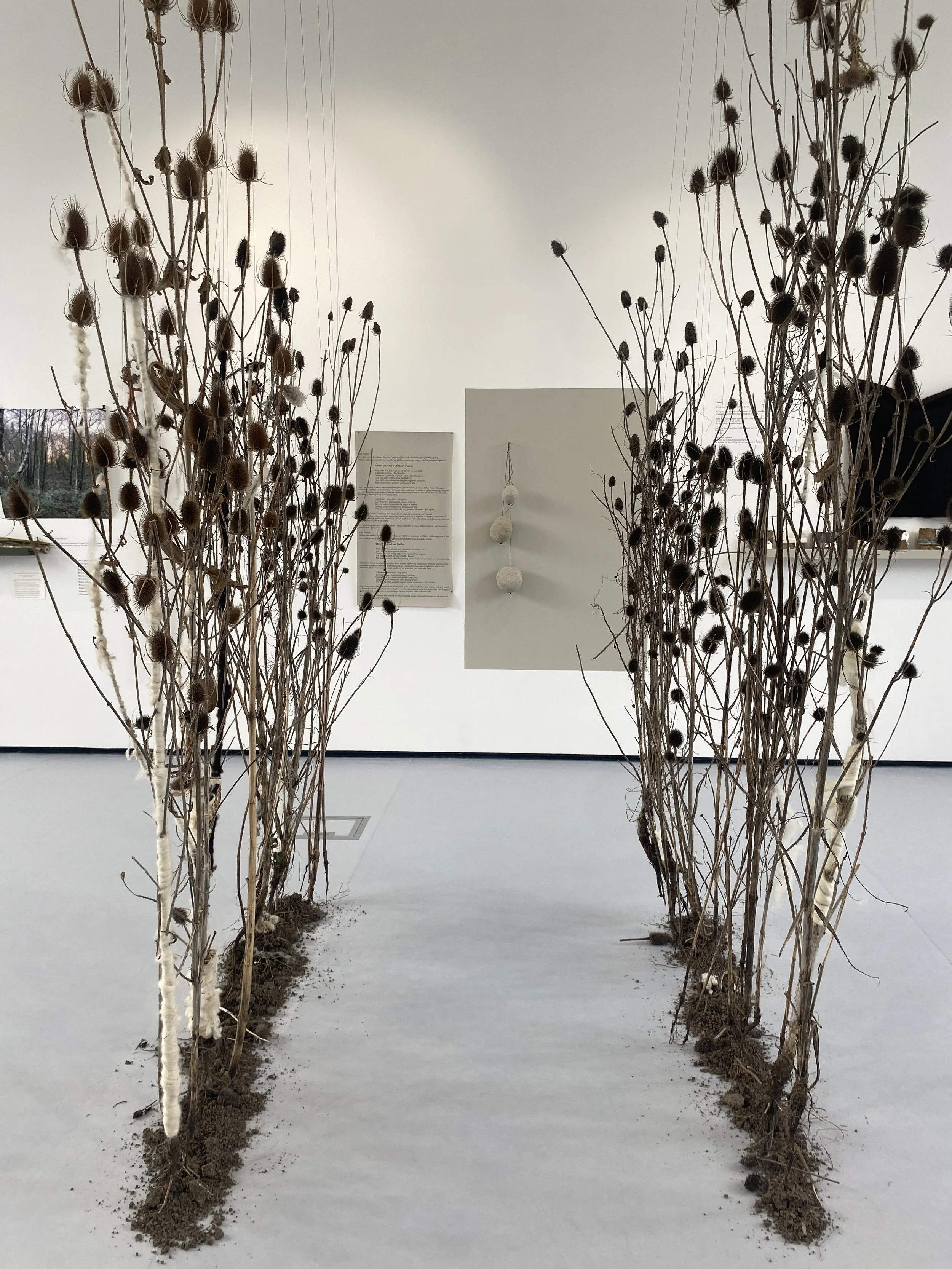
CRWYDRO - WANDERINGS: Detours and Digressions
Showcases a series of walks undertaken across Wales from 2022-25, with Jane Ponsford and guest poet Laura Wainwright.
Collectively they have talked about moments in places and describe the work, that bridges object, drawing and the written word as a form of storytelling through the materials of land. Their more nuanced points of connection lie within time.
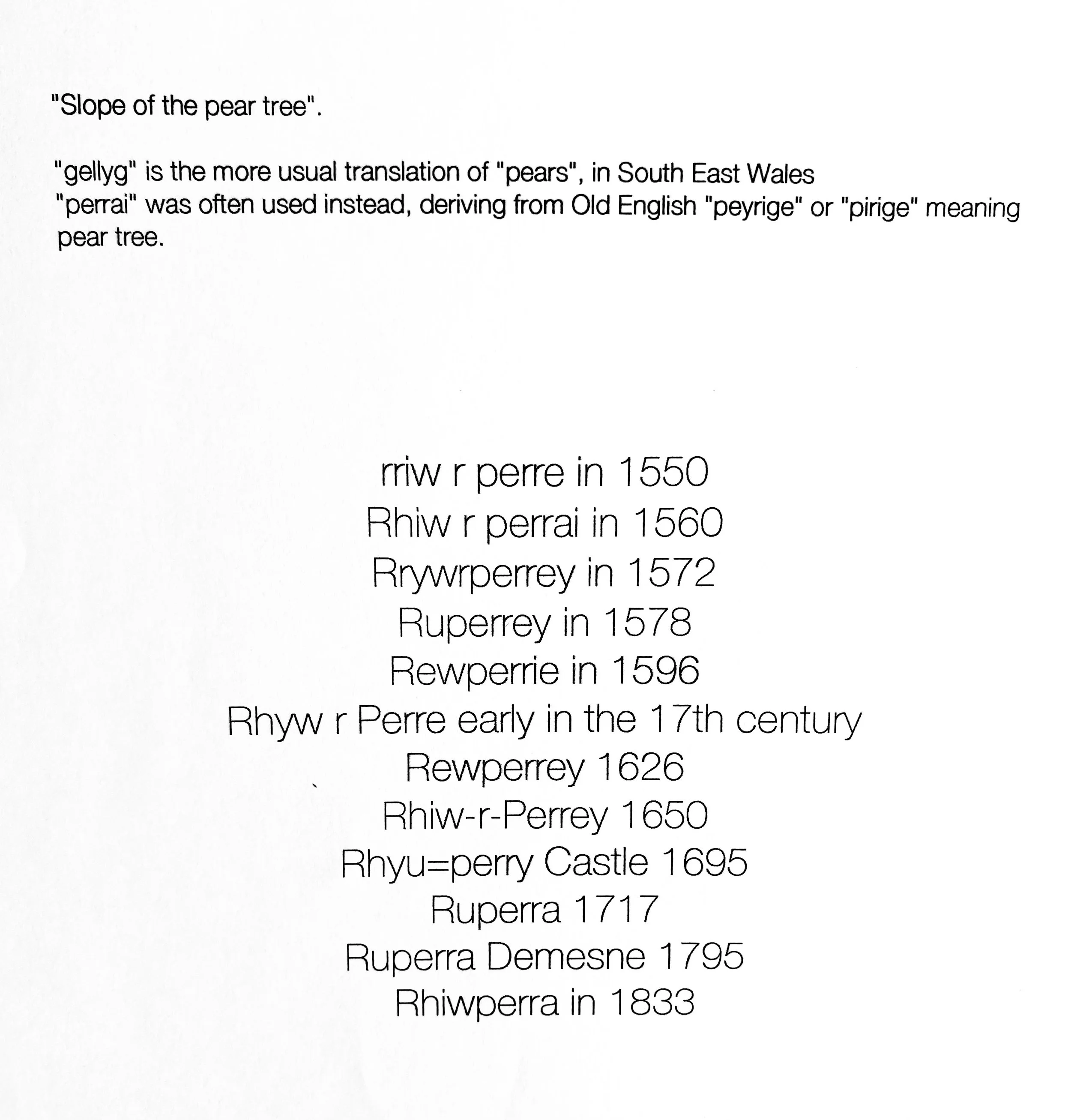
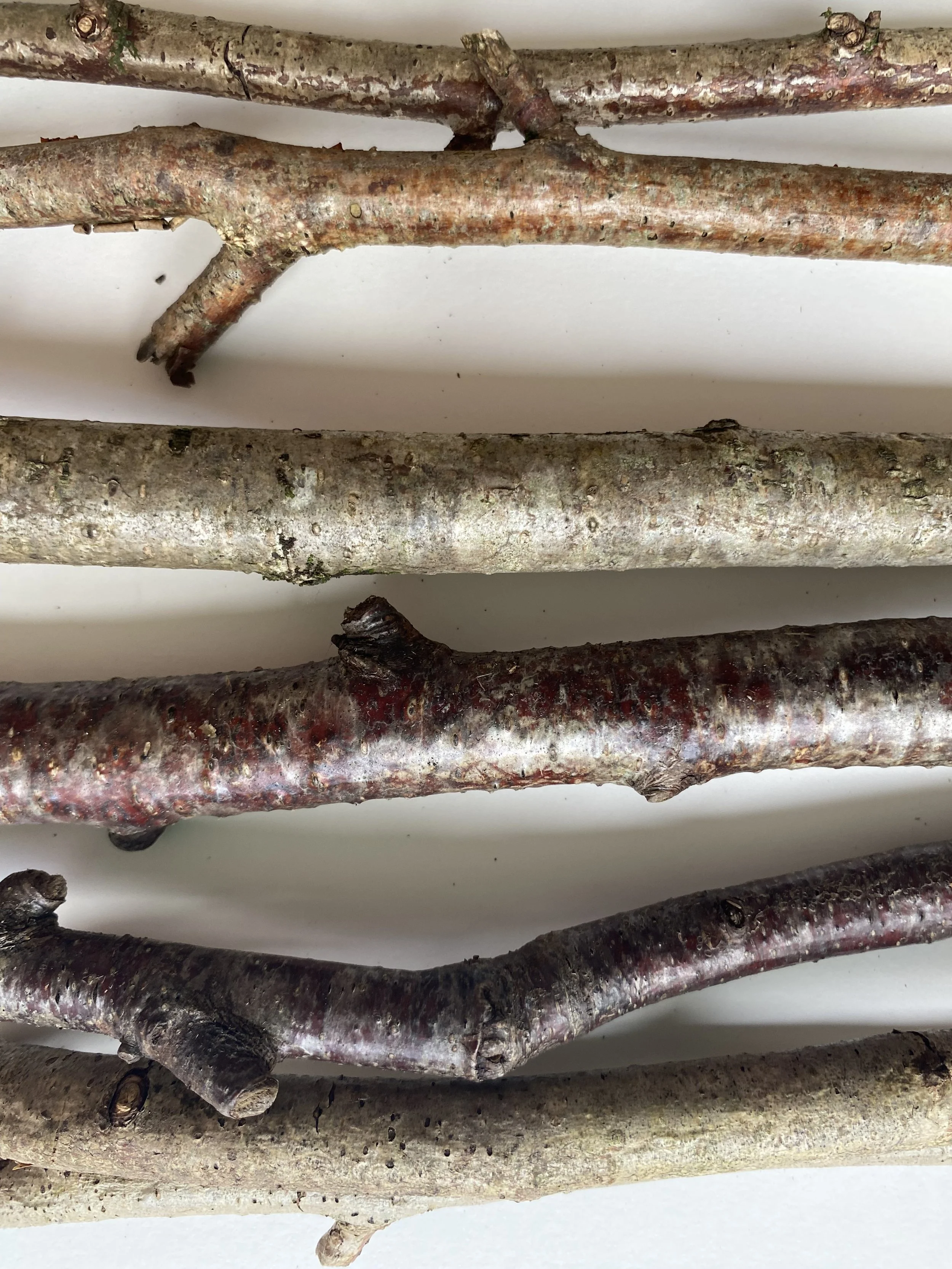
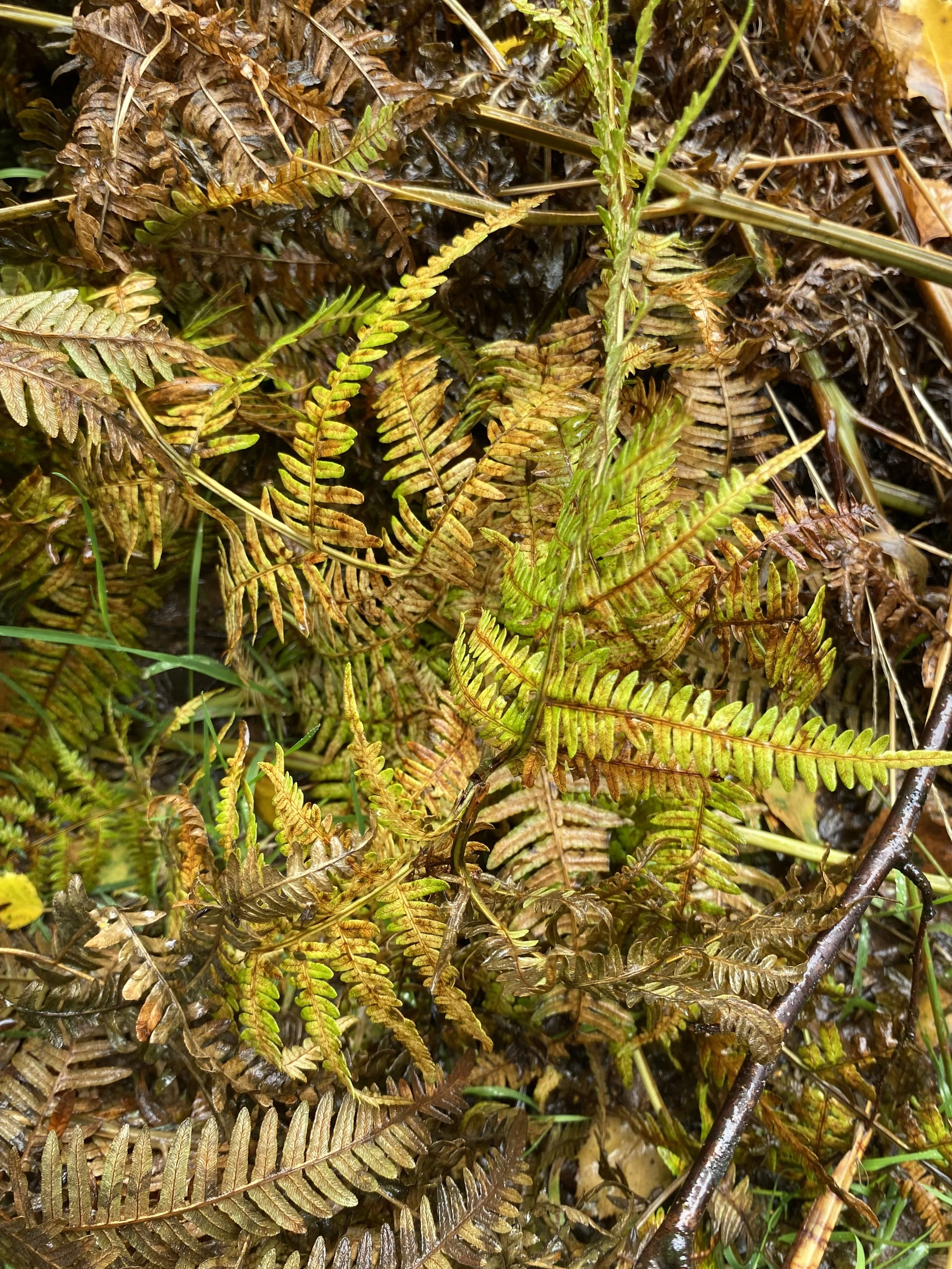
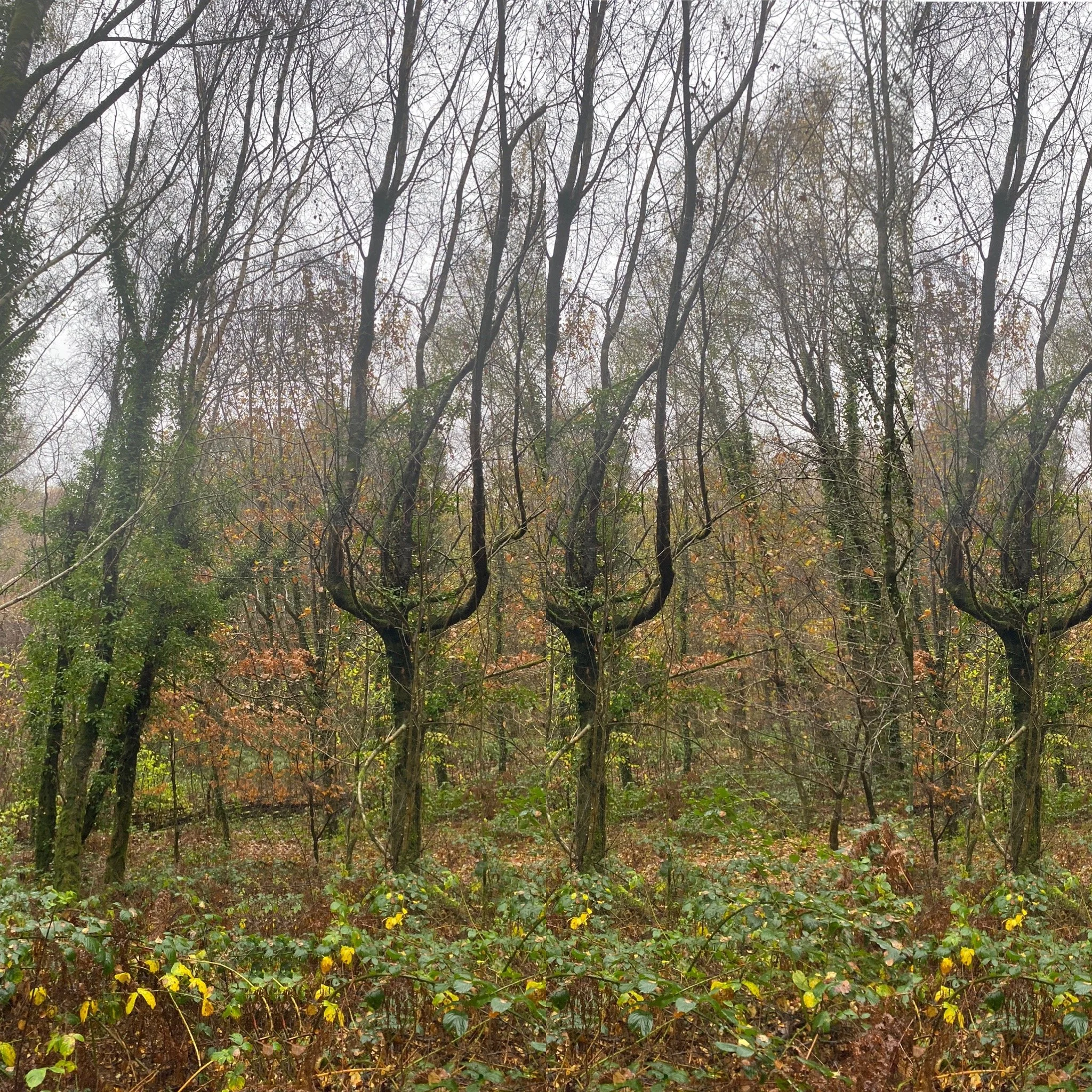
Kim’s work, talks of time in reference to geology. The growth of plants and trees. The time it takes for materials to form and come into being. How places change. Observing environments across the seasons. This can be seen most clearly in her study of the ancient woodland Coed Craig Ruperra in South Wales. Colour, both historically and culturally, have played a pivotal role in each of Kim’s collections. A distinct palette endeavours to capture the atmosphere or mood of place.
Jane’s approach and methodology encompasses many craft-based traditions and the time invested in each piece of work through her rigorous approach to process. Where the laborious repetition of doing becomes somewhat ritualistic. When applied to ‘making applications’ such as sewing, quilting and spinning. Jane talks of growing the work, where it can be picked up and worked for short periods of time and revisited when convenient. Within many of Jane’s collections of work made for this exhibition, her thinking has been underpinned by folklore and fairy stories.
Laura Wainwright was born in Cardiff and grew up in Newport, Gwent, where she still lives. She attended school in Newport, and Cardiff University where she attained a BA, MA and PhD in English Literature. Her PhD thesis focused on Anglophone Welsh literature and was later published as New Territories in Modernism: Anglophone Welsh Writing, 1930-1949 by the University of Wales Press. Laura has also published poetry pamphlets, Air and Armour (Green Bottle Press, 2021) – the outcome of a Literature Wales Writer’s Bursary – and Coedcernyw: among other things (Clutag Press, 2023). Thrall: Poems and Art, a collaboration with Robert Minhinnick featuring Laura’s poetry and artwork, was published in February 2025 by Seventh Quarry Press. Her poetry collection, The Storm’s Flora, was published in October 2025 by Seren.
Work in Three Chapters
Three locations in Wales make up this body of work, with an approach and particular point of focus deriving from ecology and time, punctuated by colour.
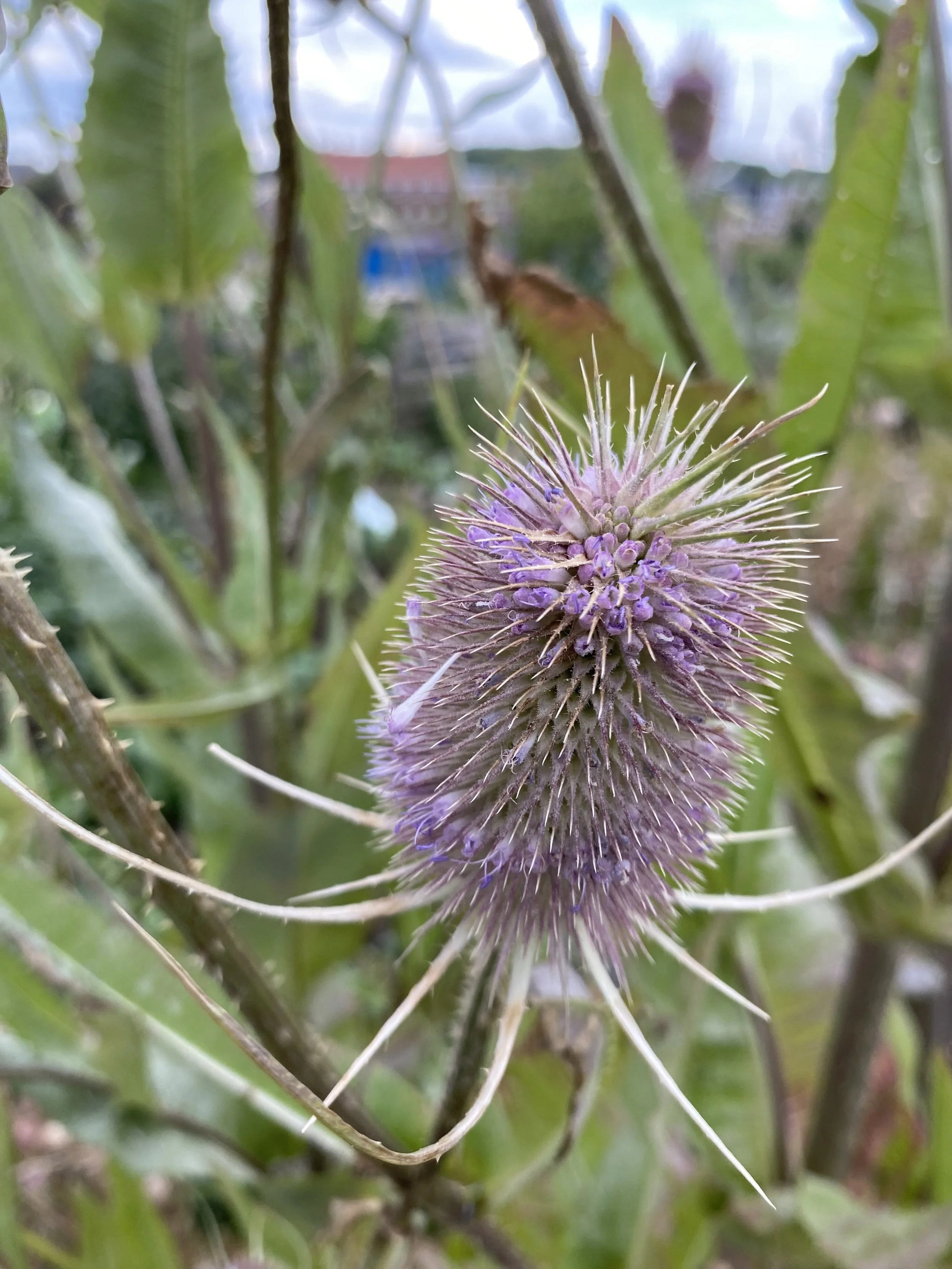
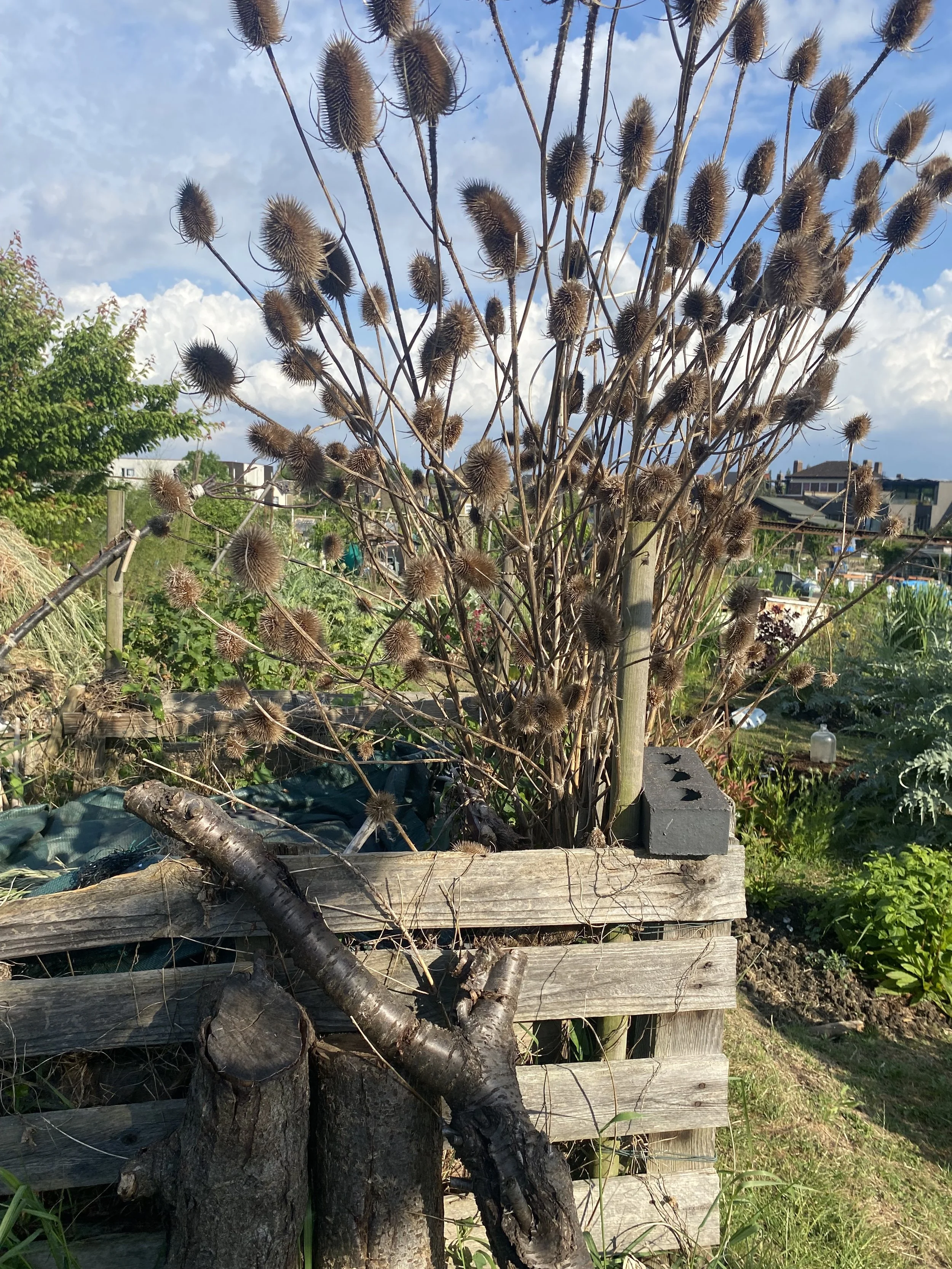
Chapter one is located in the surrounding landscape of Felindre, once the heart of the Welsh Wool industry. This collection of work removes the human perspective and focuses on the role of the teasel.
Chapter two has been observed over a longer period of time, between 2023-25 at Coad Craig Ruperra in south Wales. The Ruperra Conservation Trust bought the woodland in 1996 to undertake major conservation work, replacing the extensive conifer growth between the wars with native trees to regain its ancient woodland status.
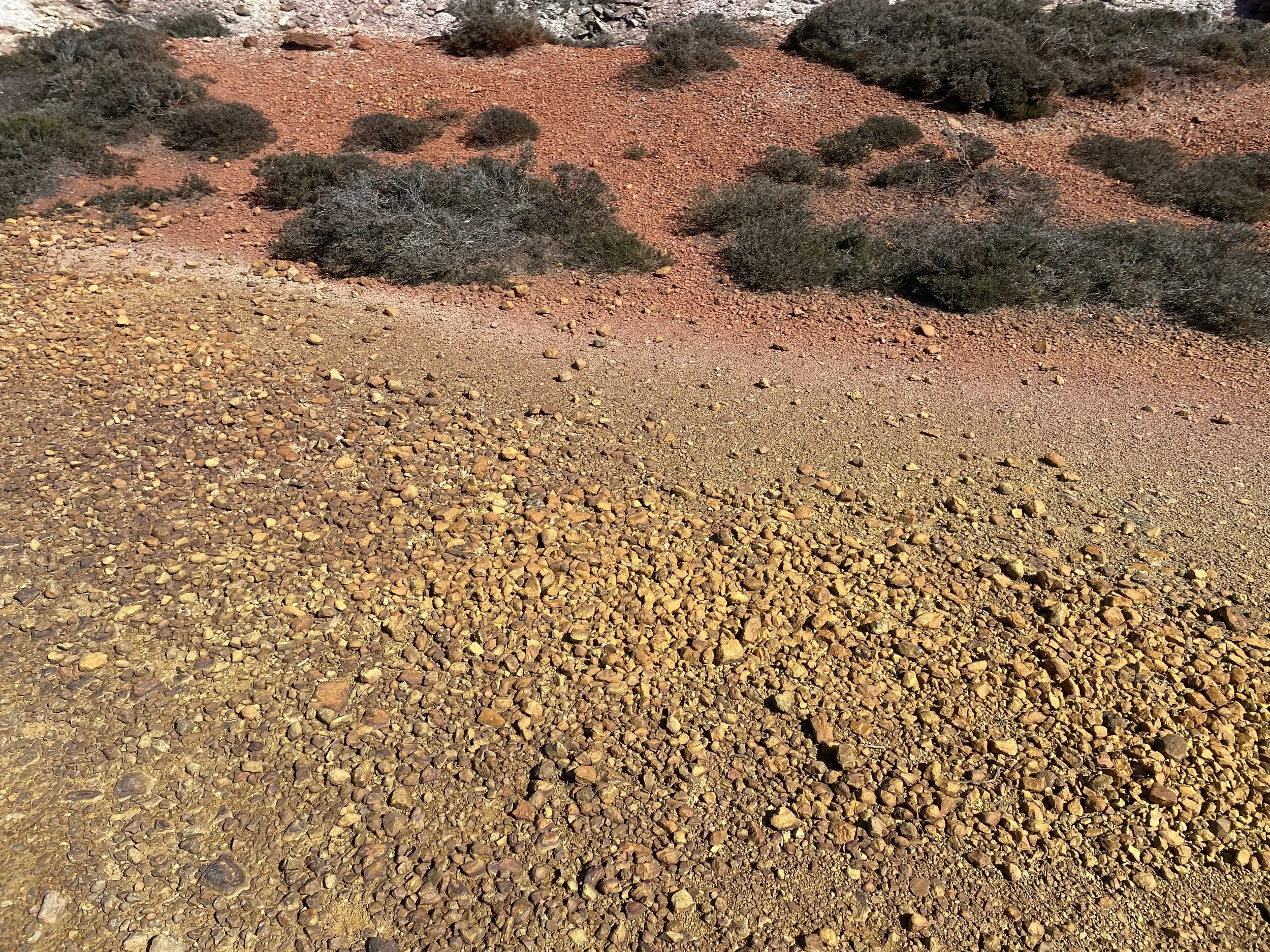
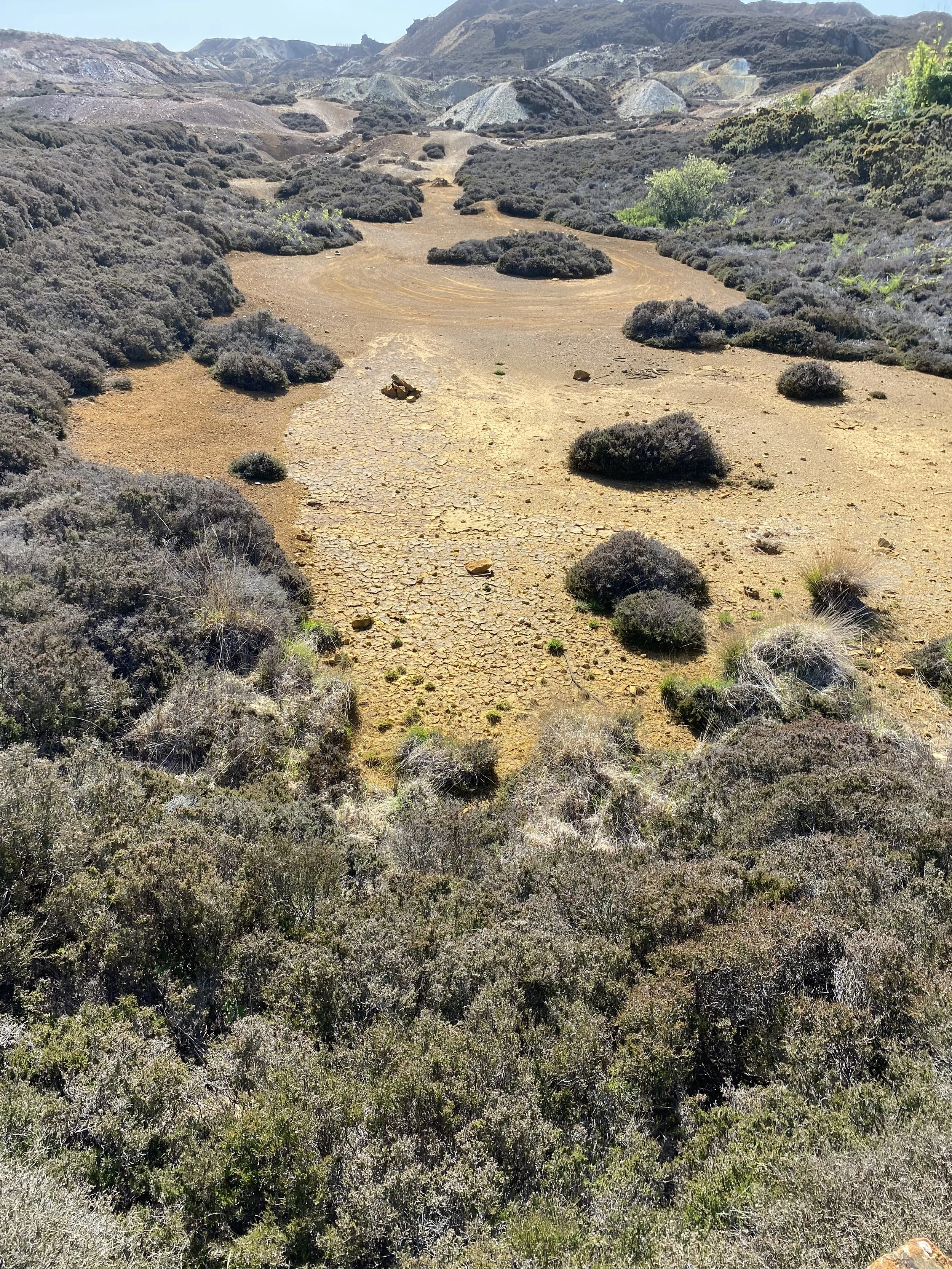
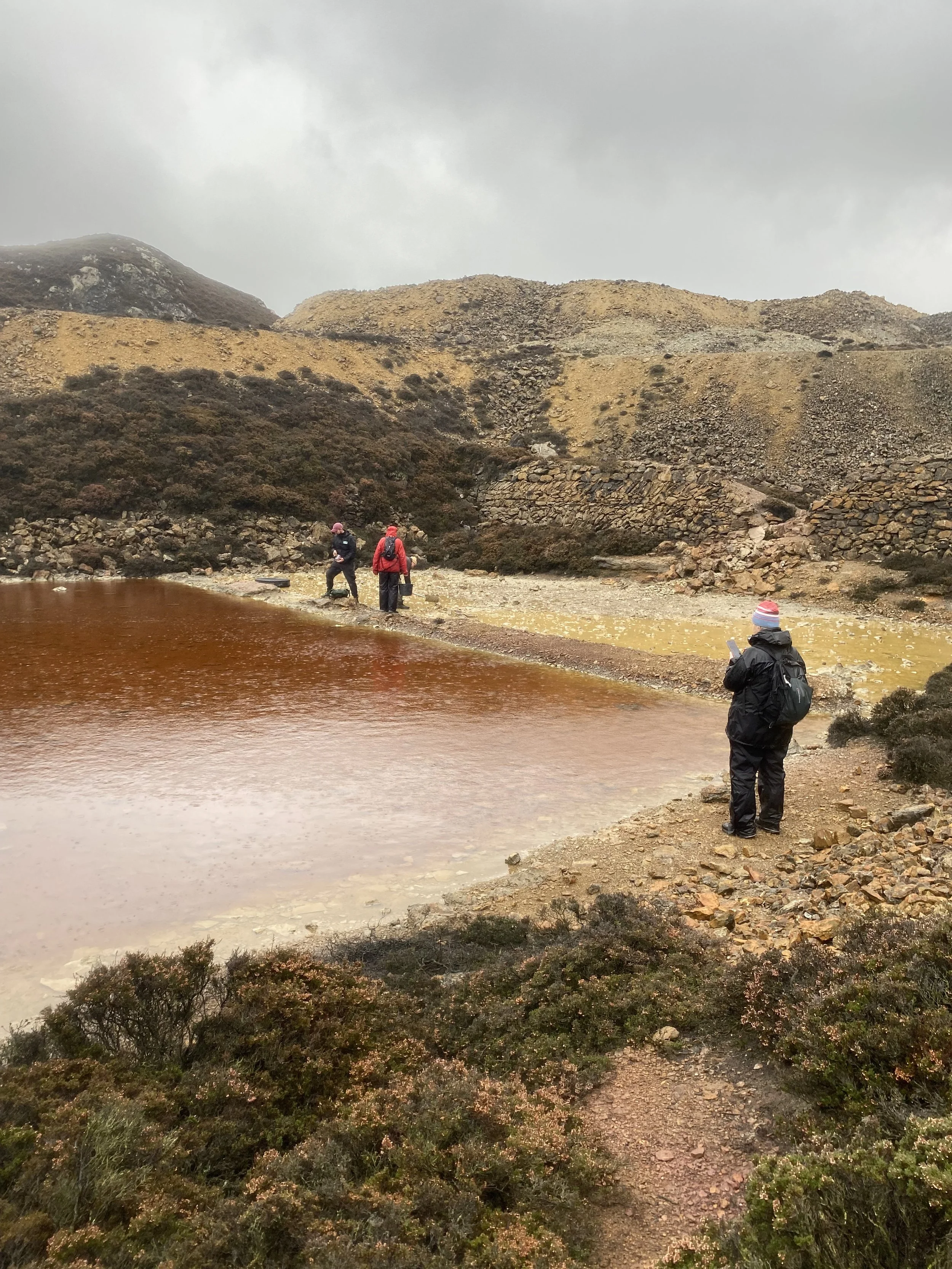
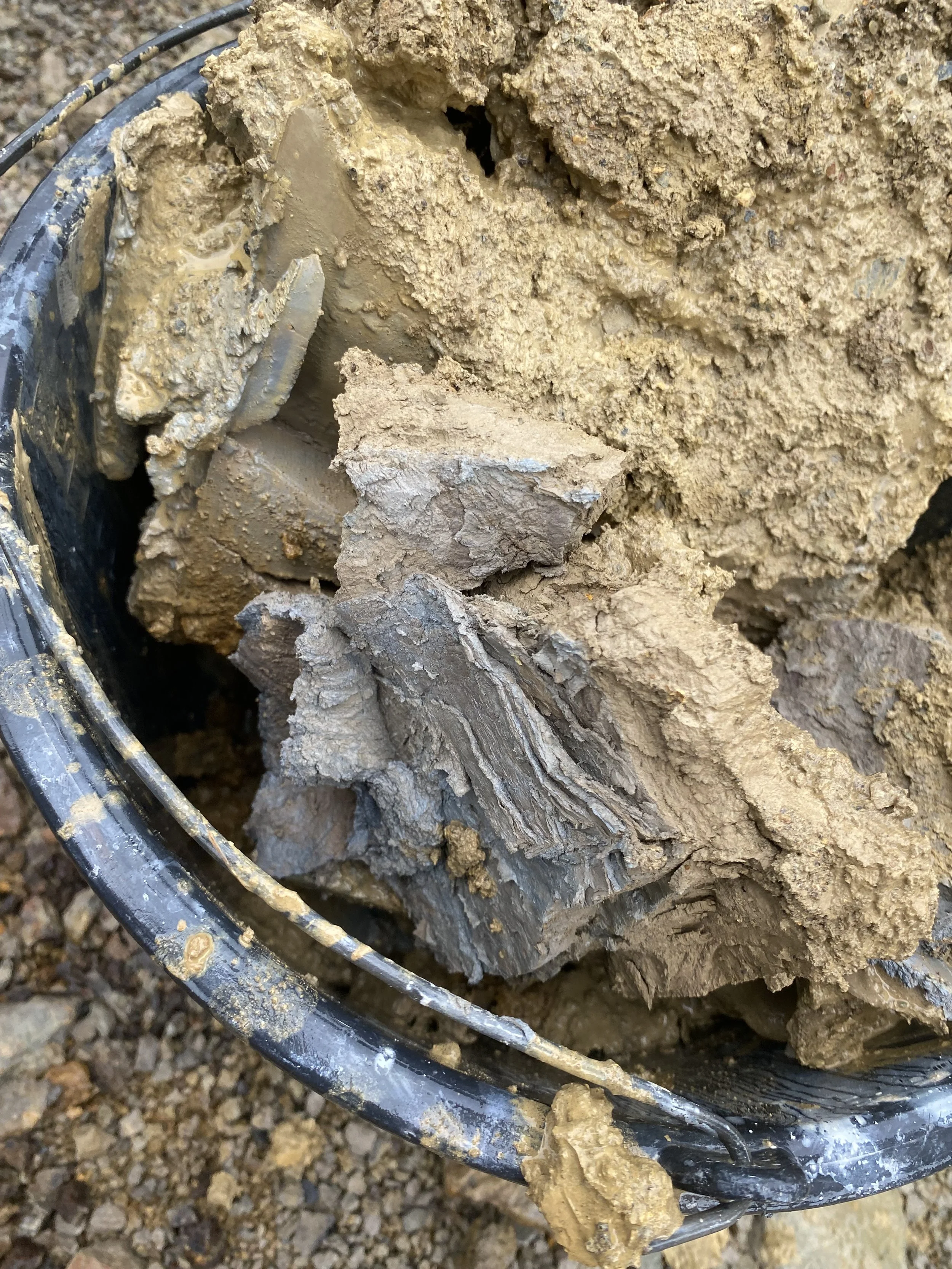
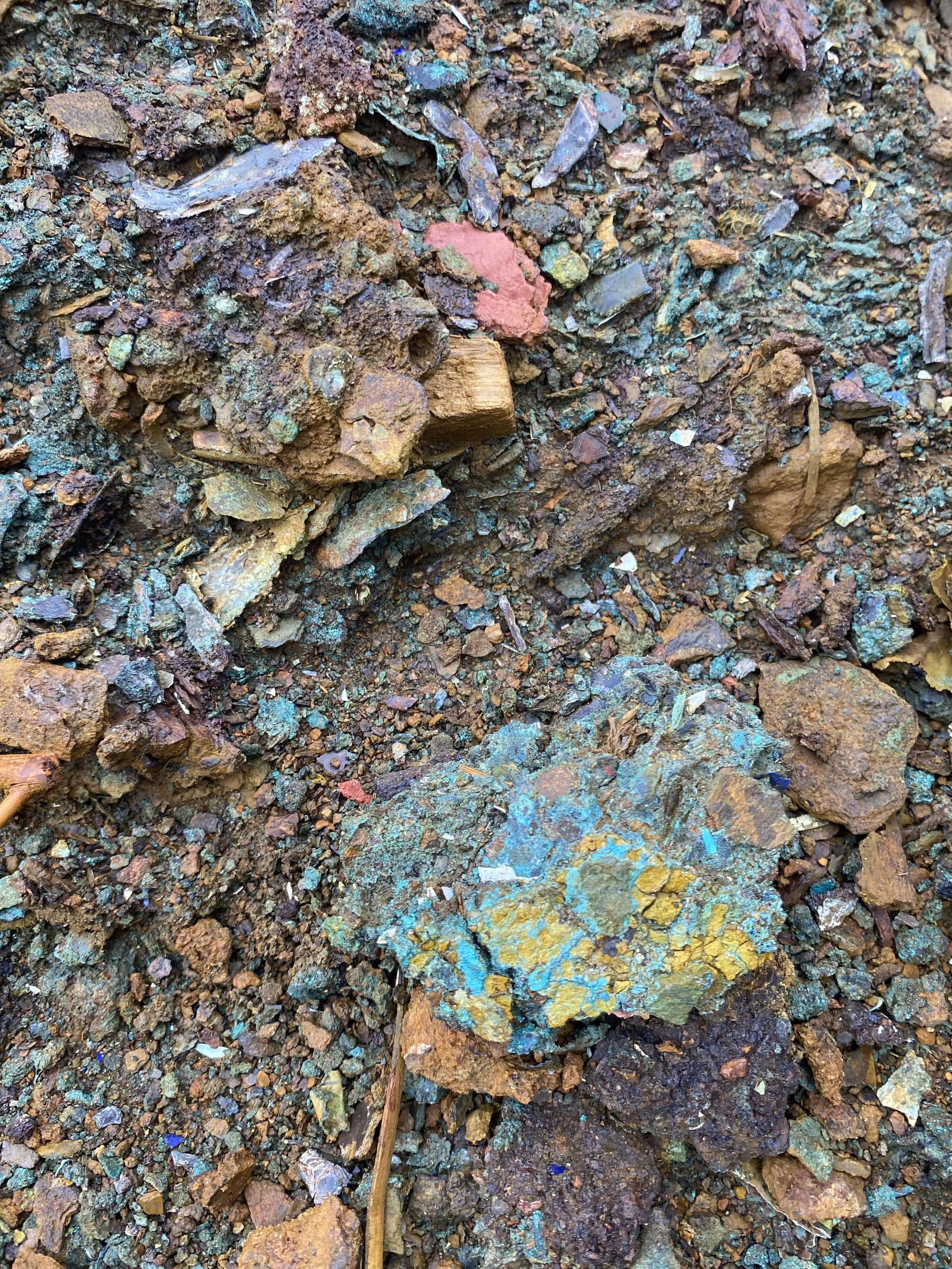
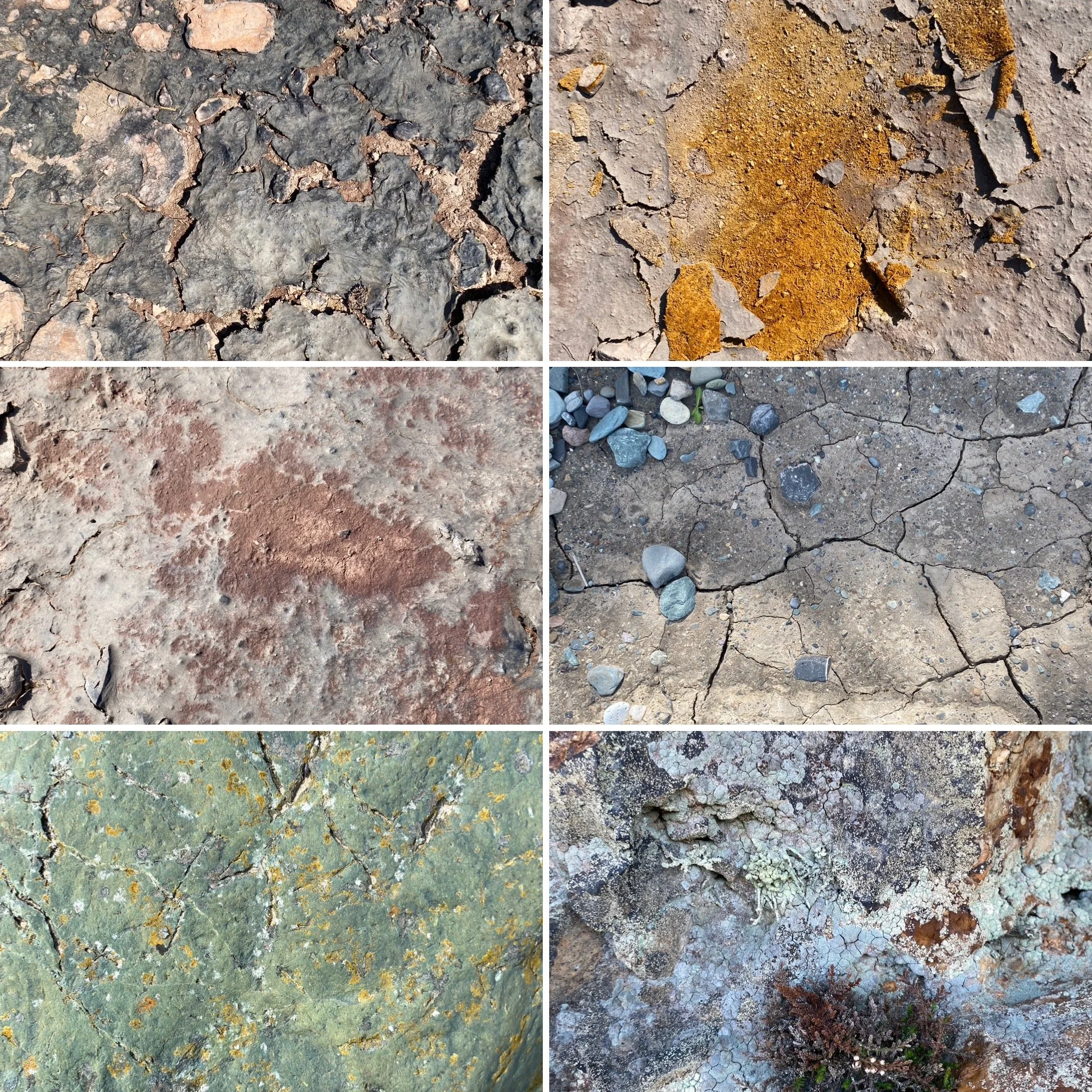
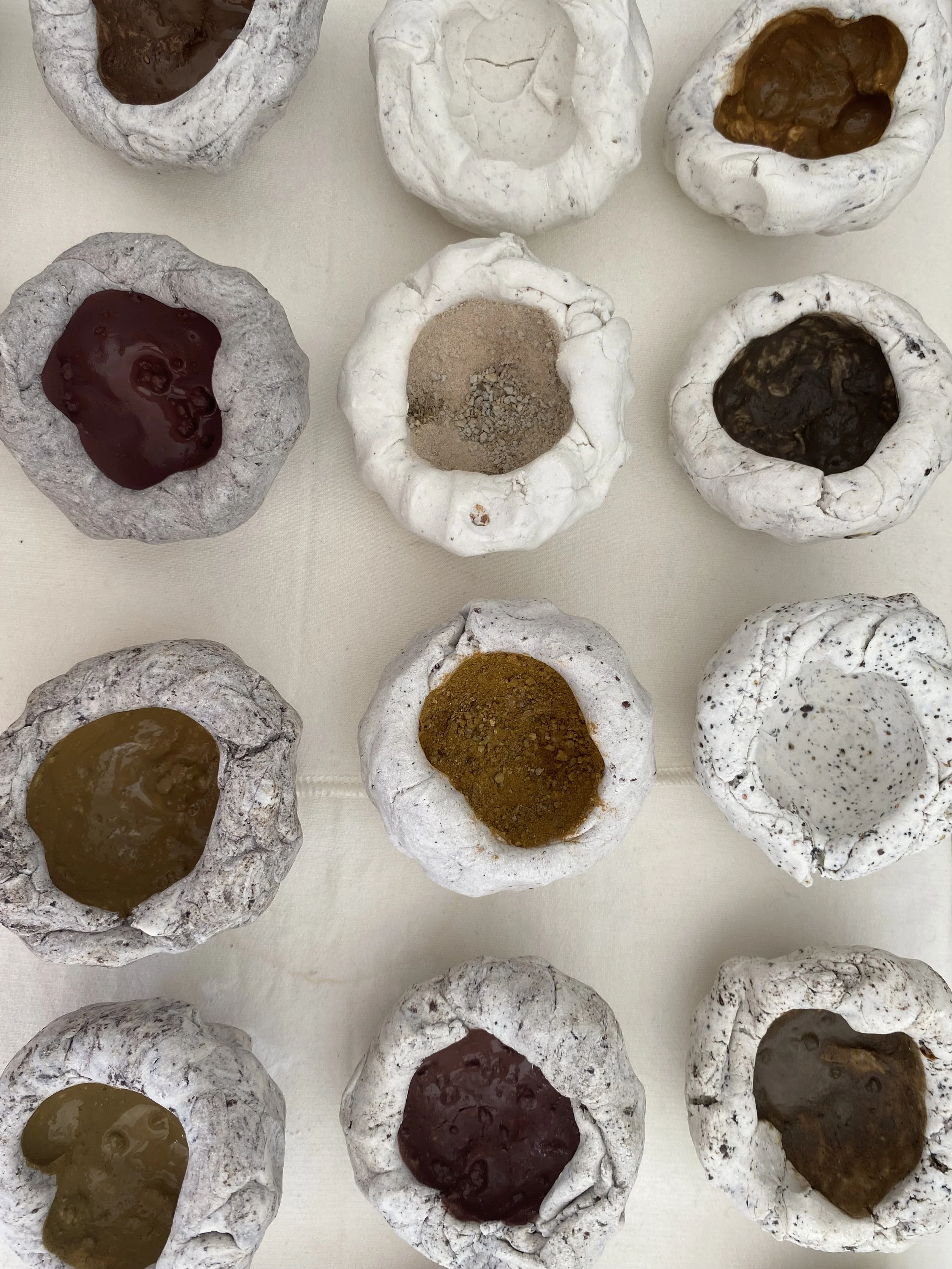
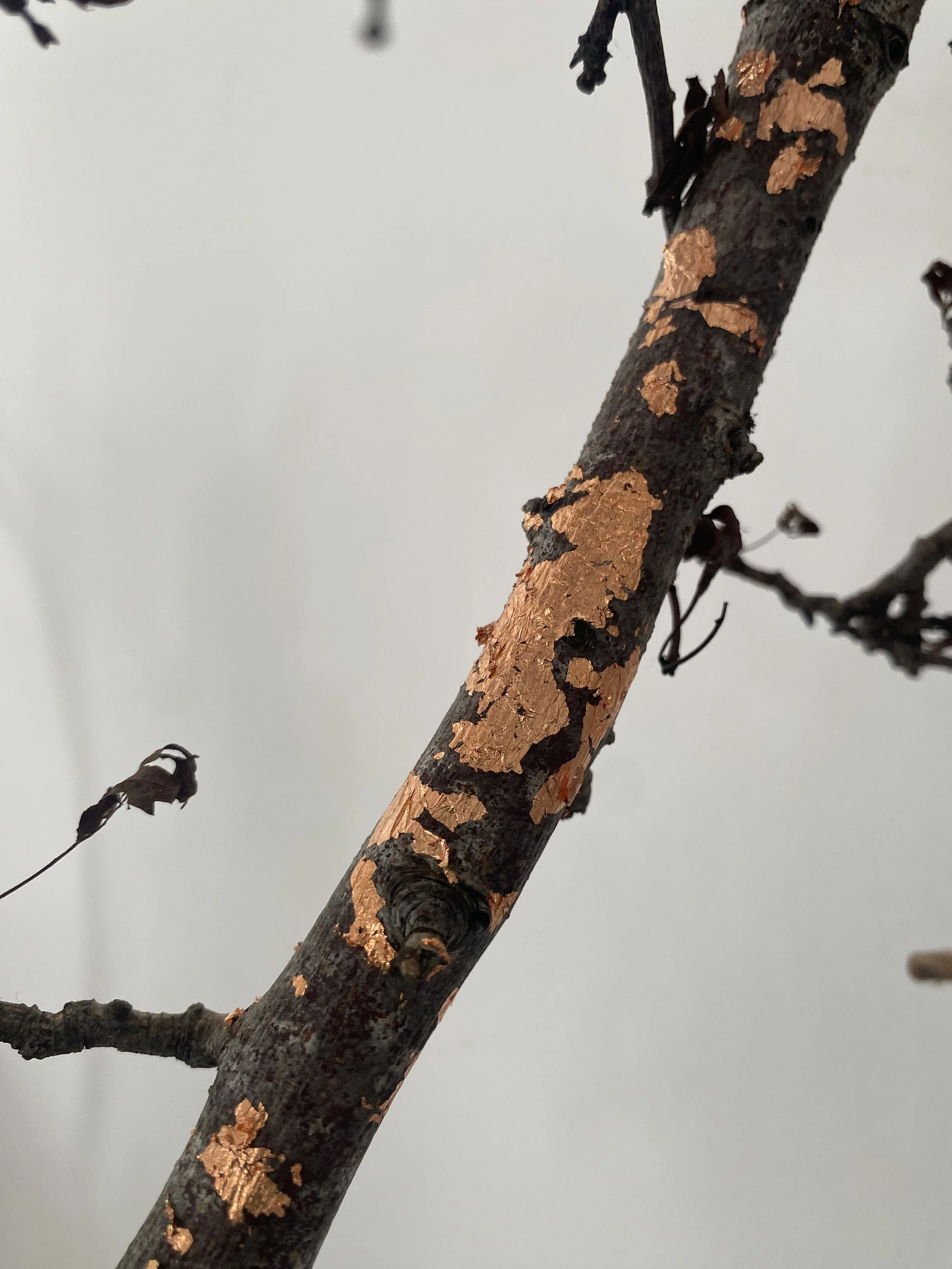
Chapter three is based within Parys Mountain, a redundant copper mine on Anglesey. Somewhat otherworldly, the earth there is subsumed by its own history, sitting within an almost rainbow spectrum of colour.
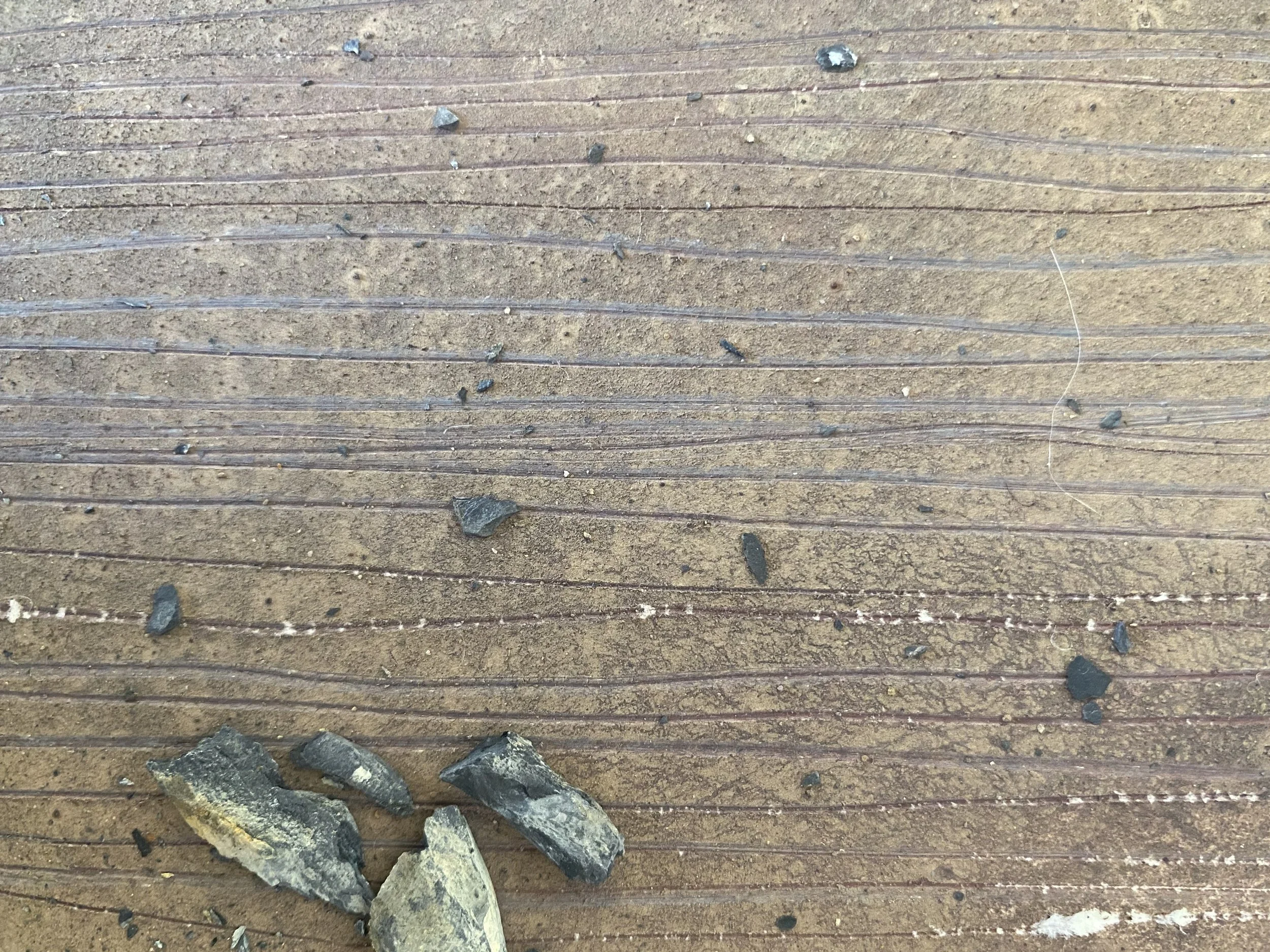
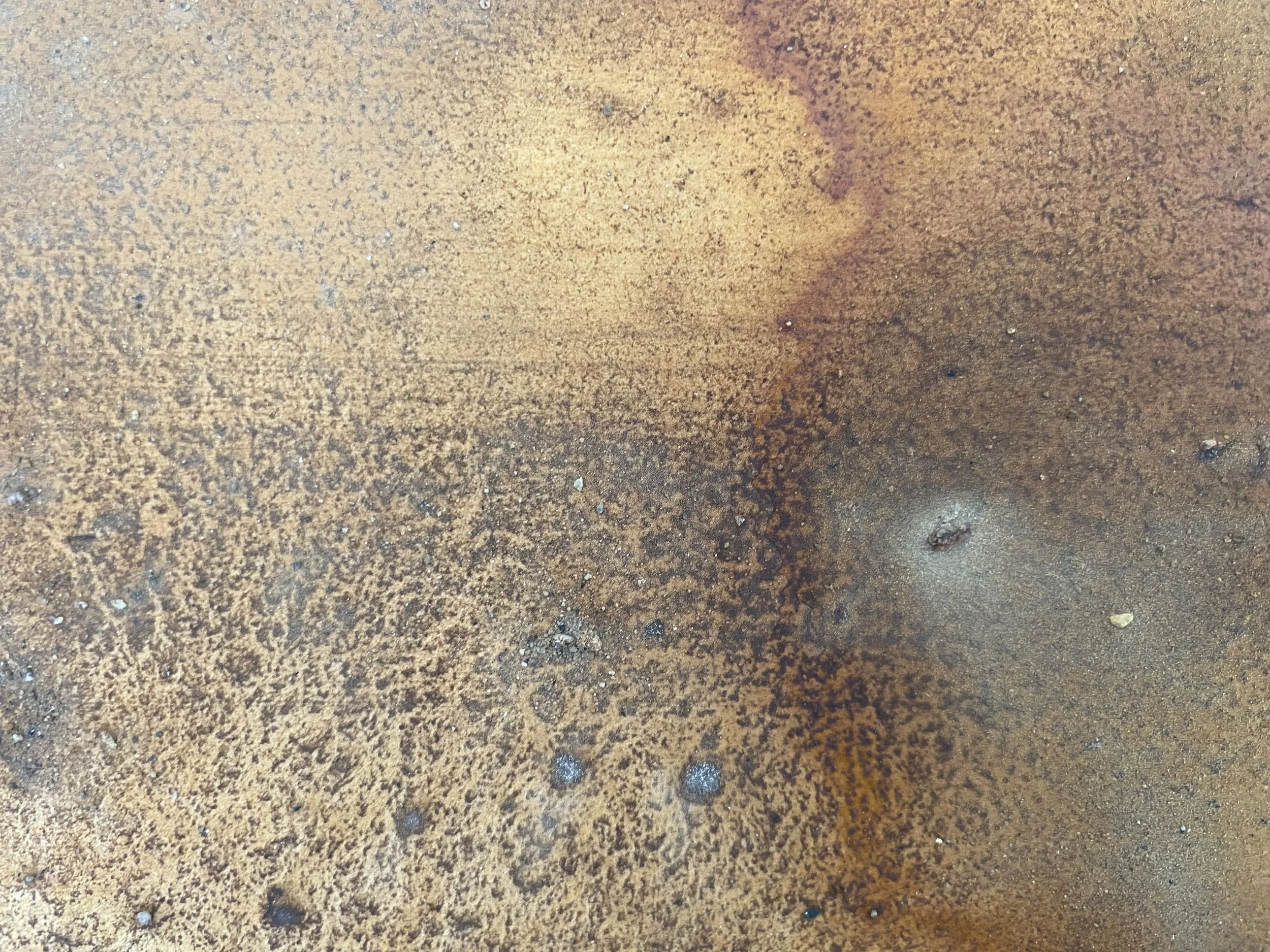
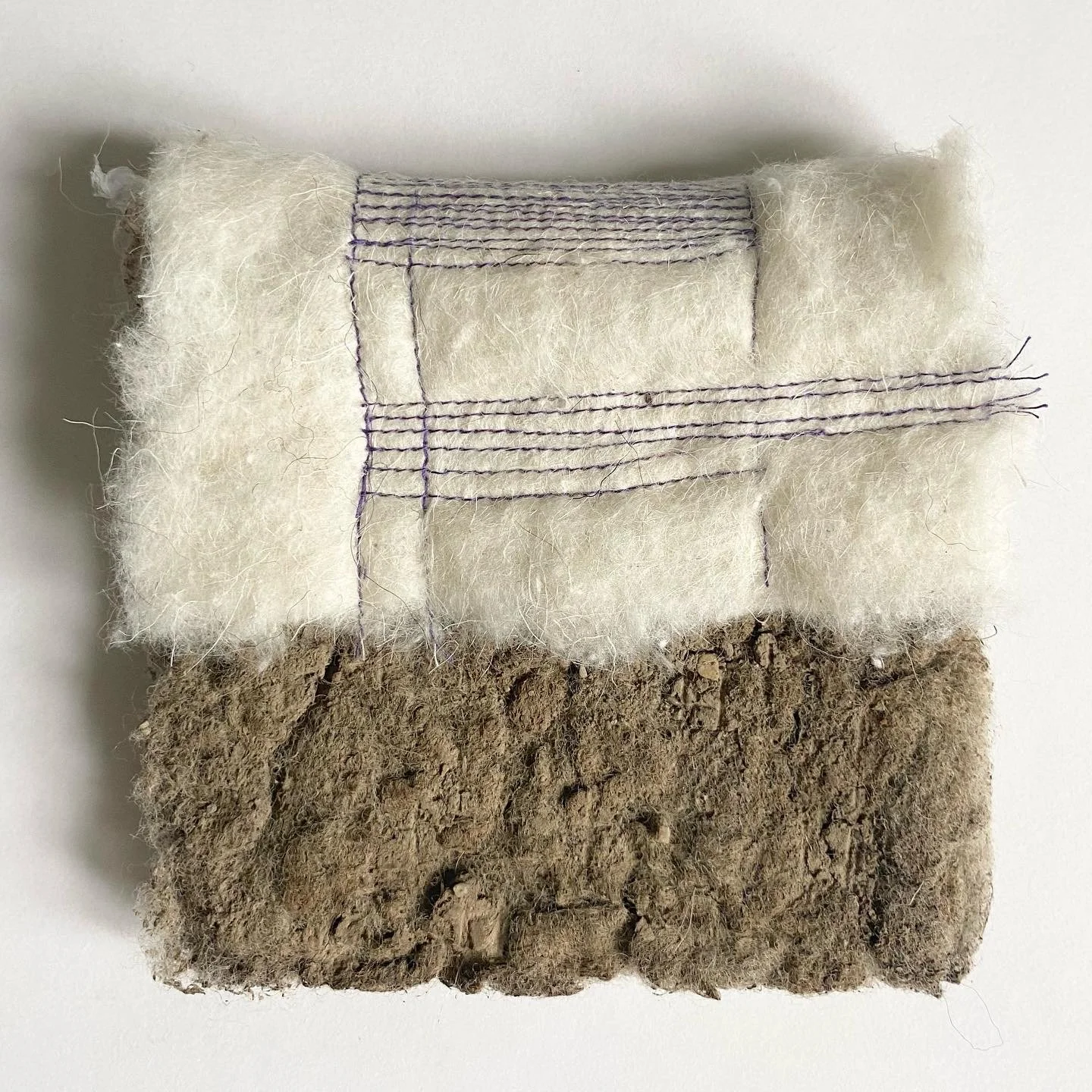
Chapter 3 - Parys Mountain copper mine, Anglesey. 2025
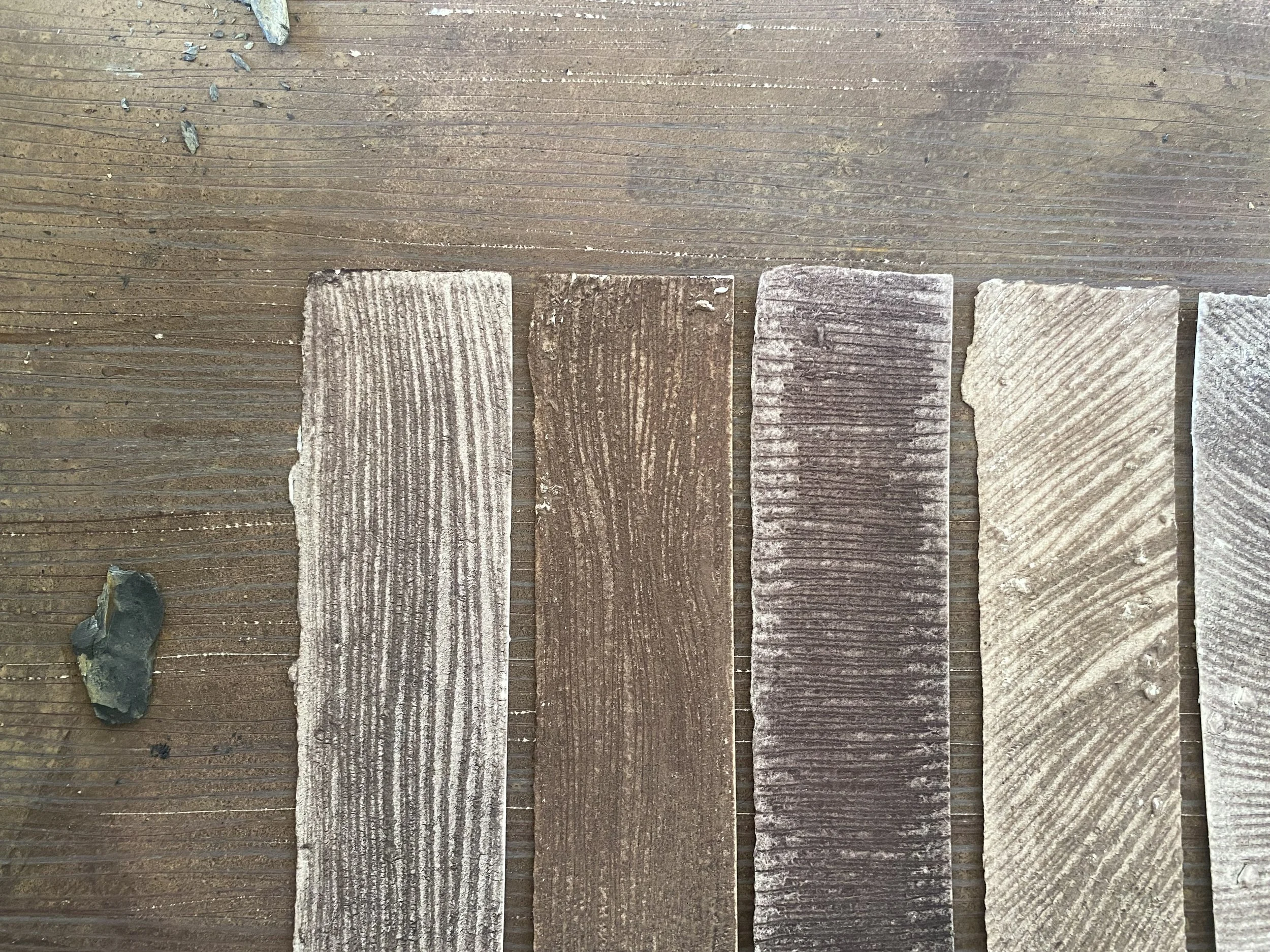
Soil on handmade paper from Two Rivers, Somerset.
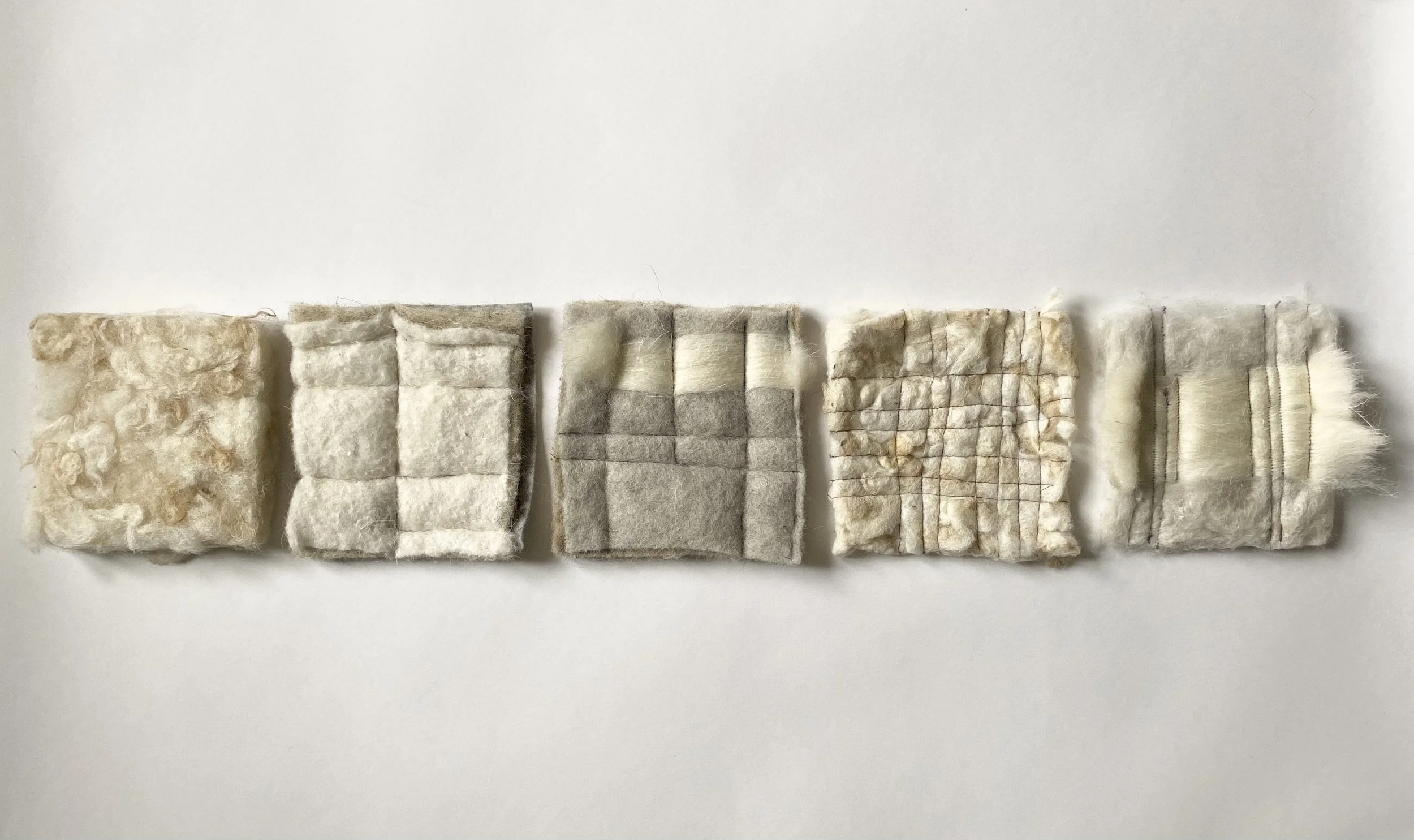
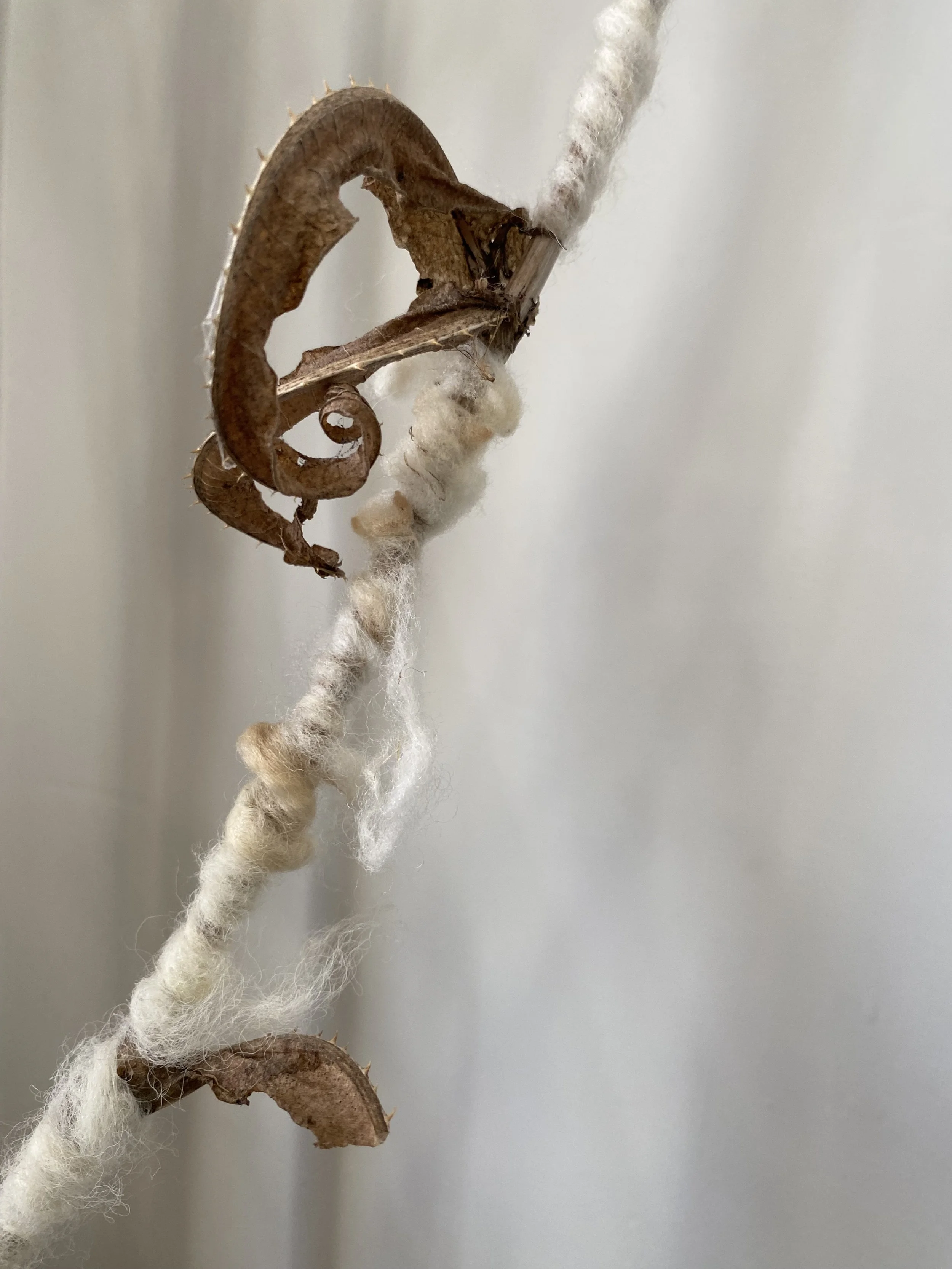
Chapter 1 - Wool and Teasels 2023
Chapter 1: Wool and Teasels
The National Wool Museum near Carmarthen 31st August 2022 with Catherine Spring and Jane Ponsford.
Circular wool walk setting off from The National Wool Museum
11th September 2025, 10.46am with Ben Winkley
With thanks to Justin Adams for providing historical documents on the Somerset teasle farming.
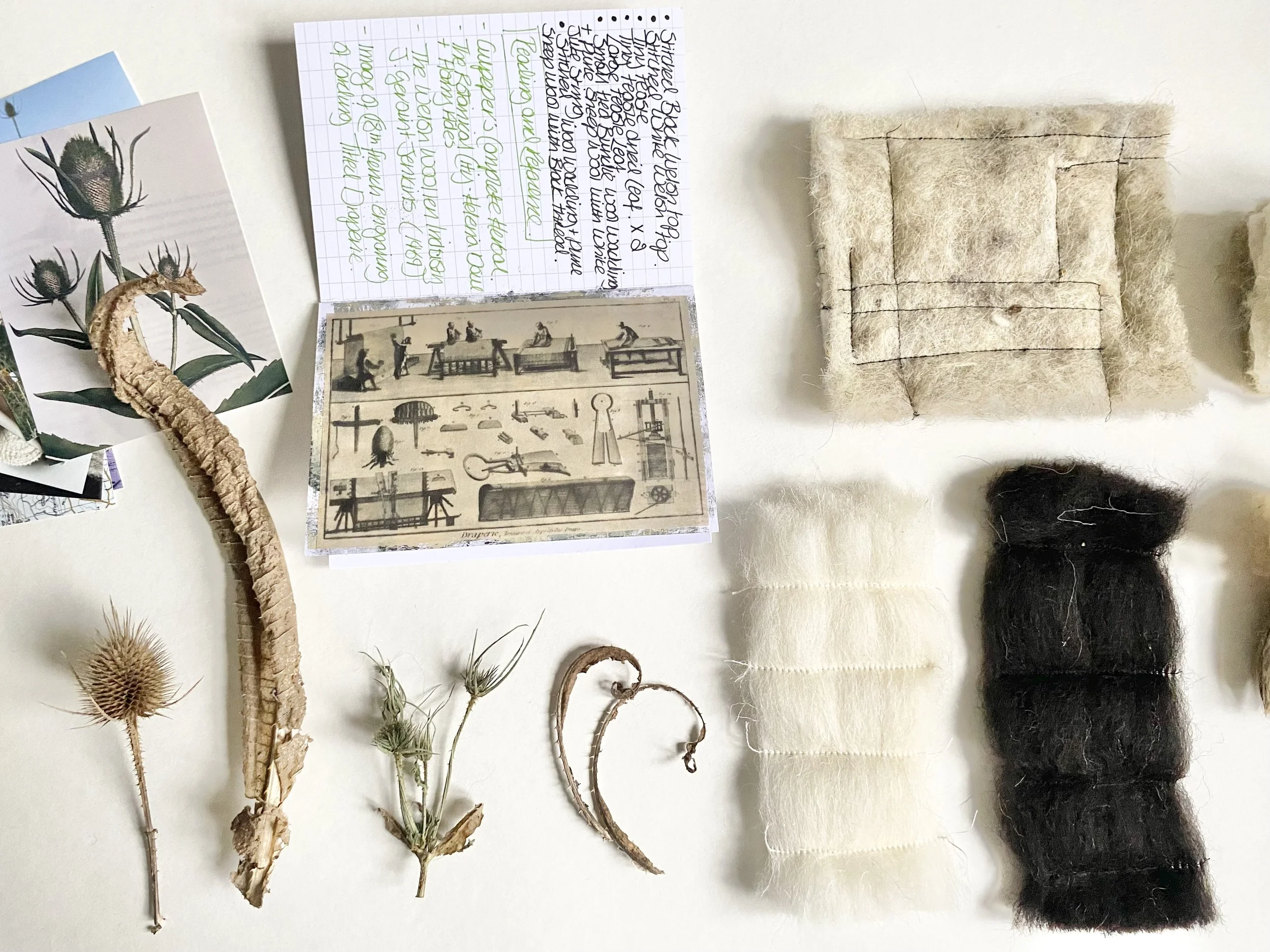
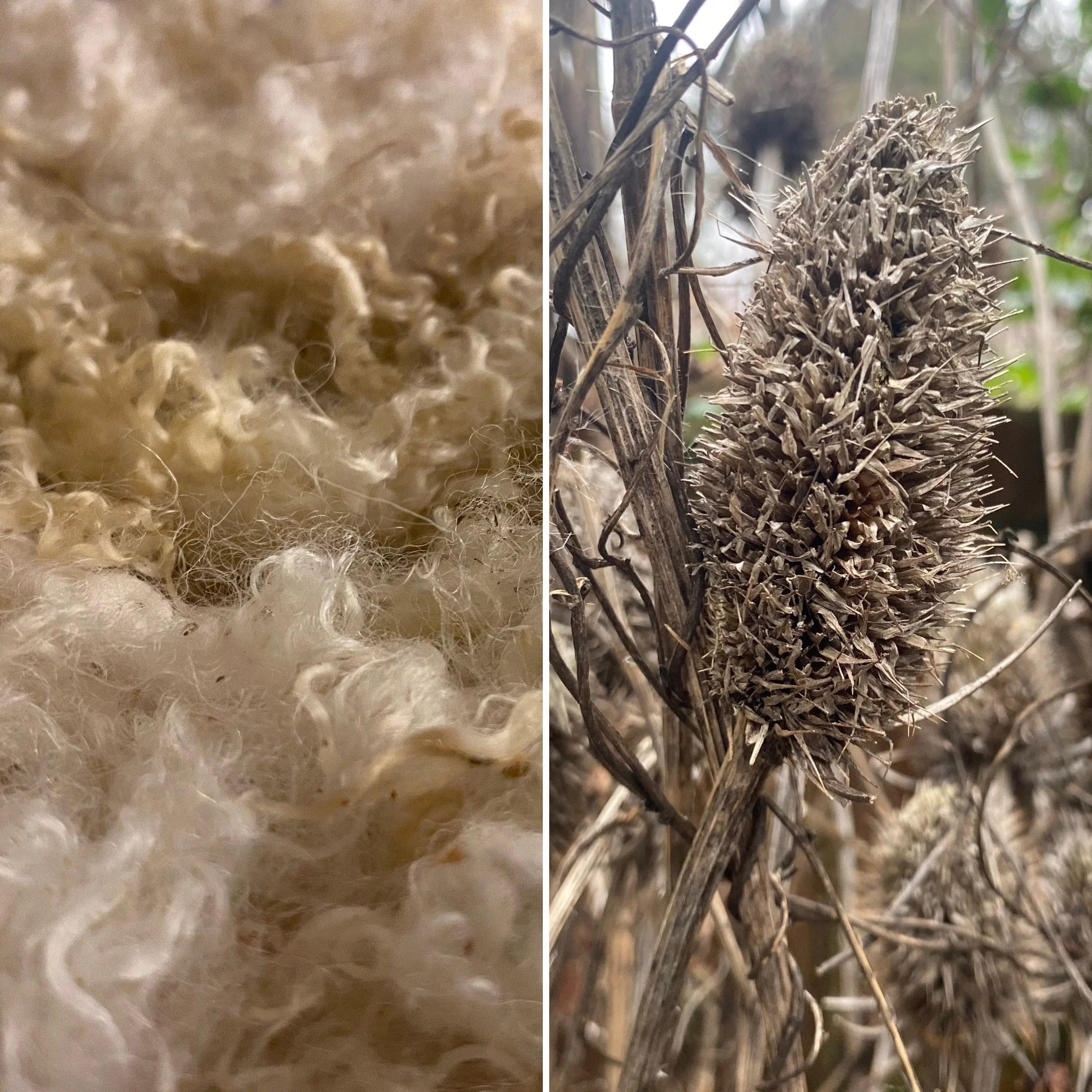
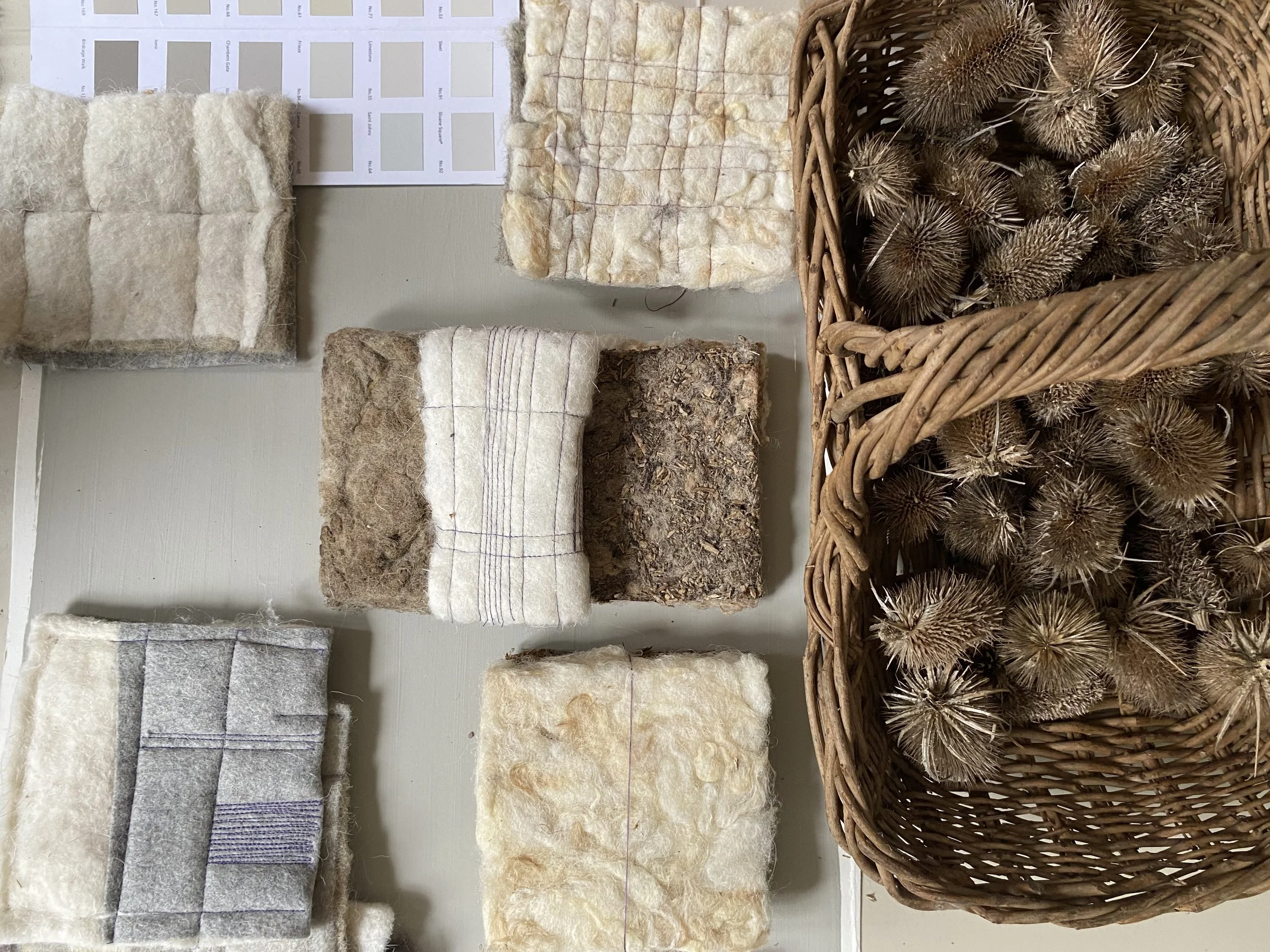
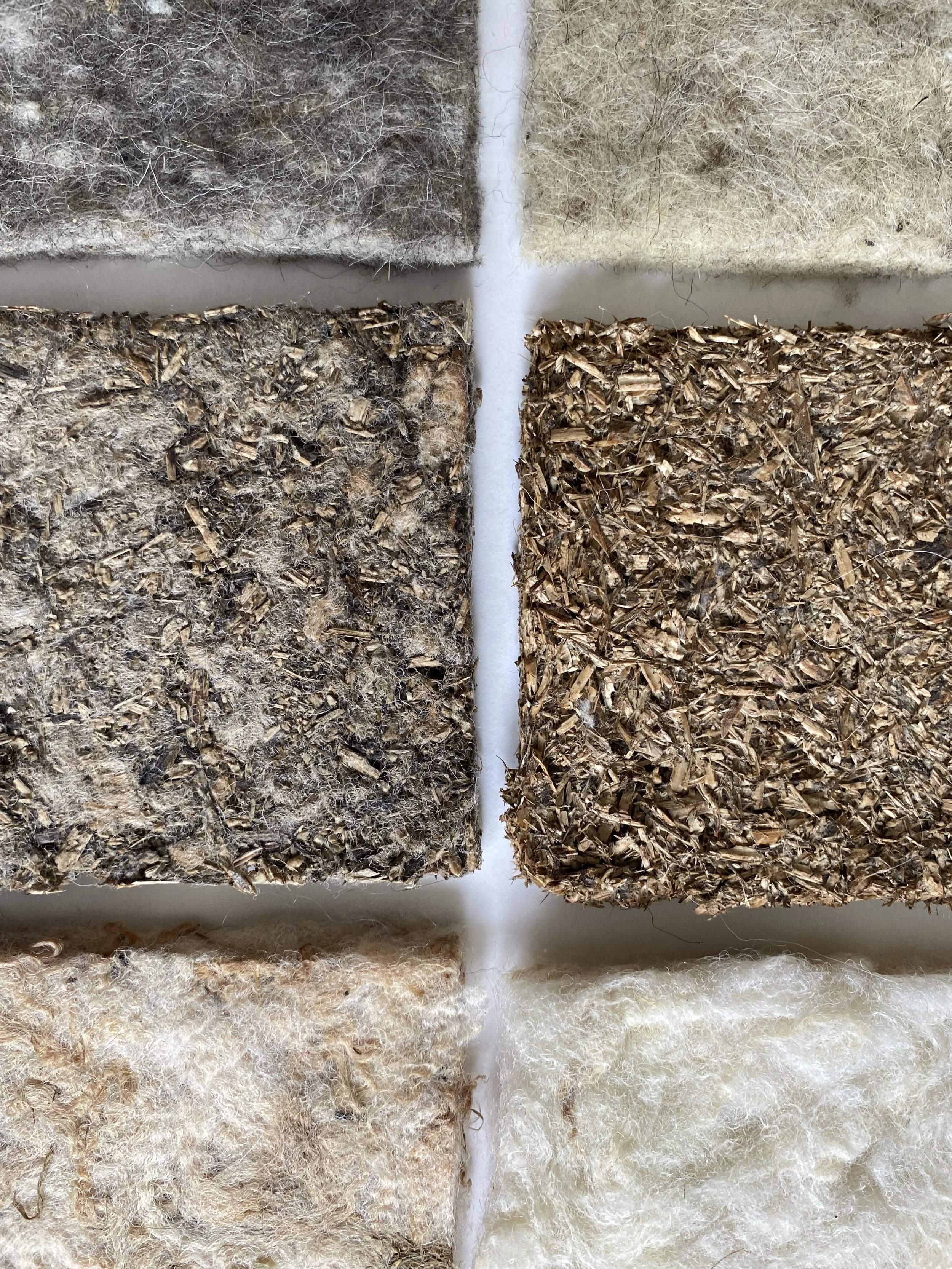
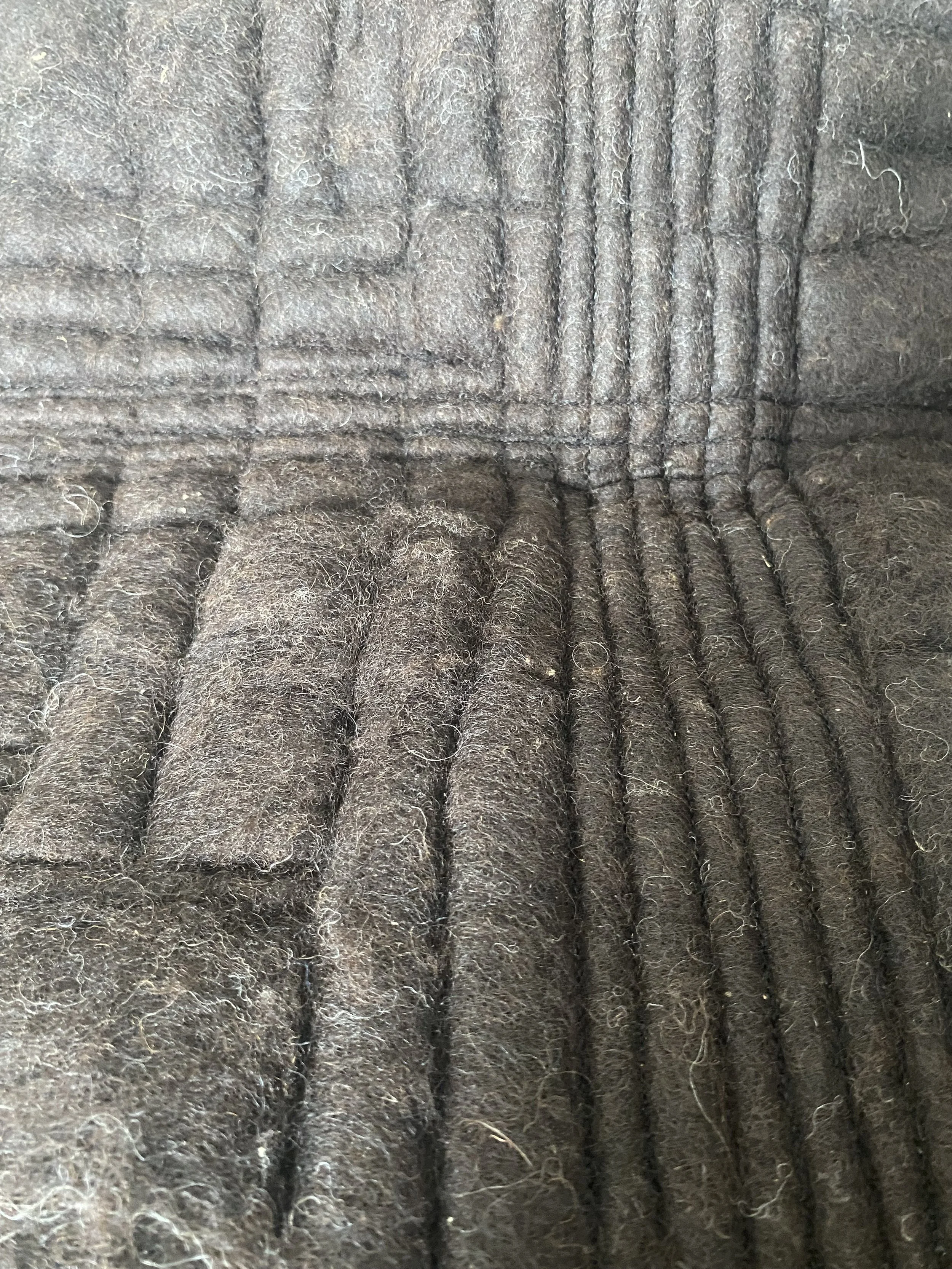
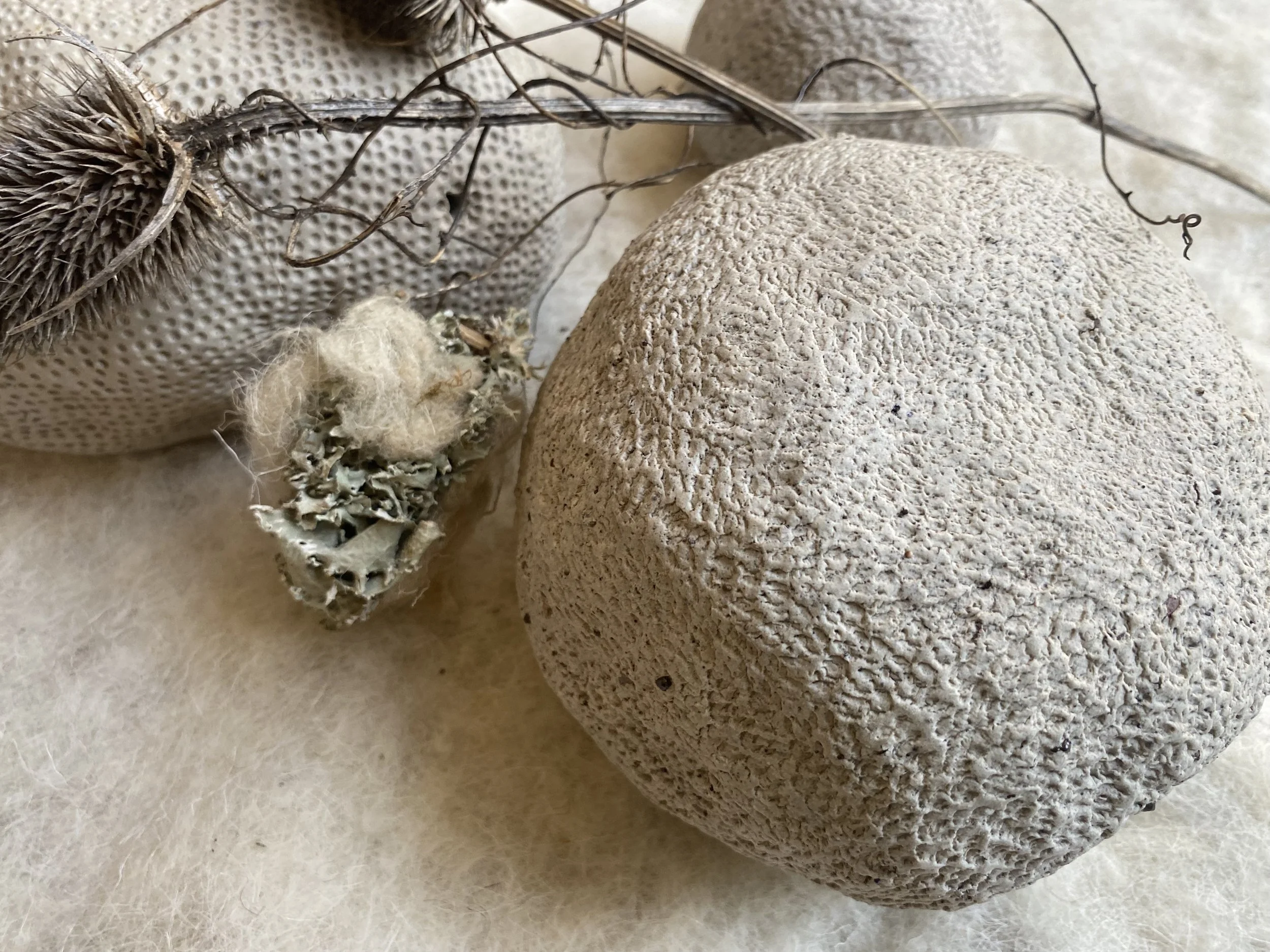
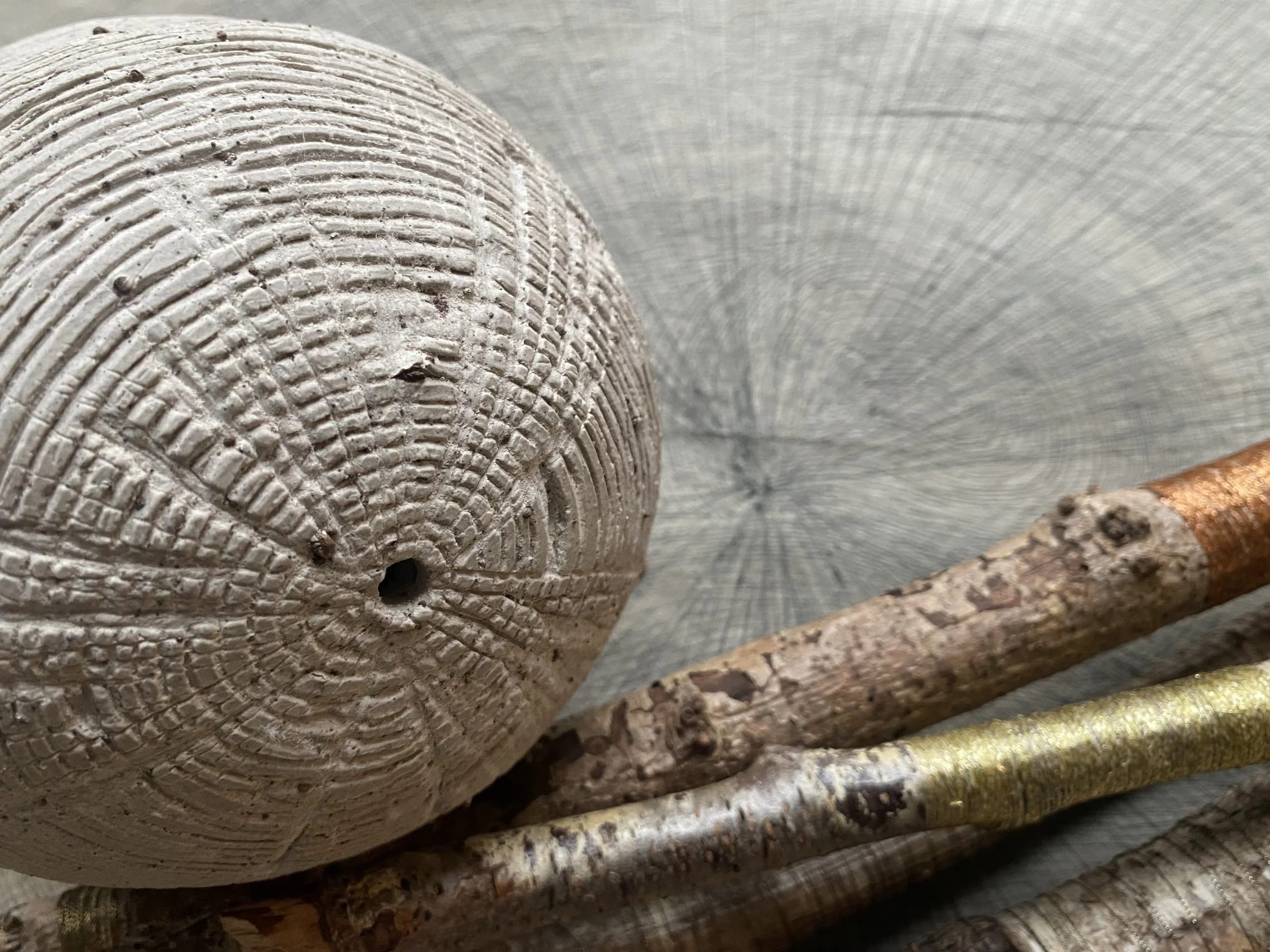
This chapter looks at the relationship of plant life to industry, and how the Fullers teasel (Dipsacus fullonum), often considered an edgeland plant more commonly lining non-spaces next to roads, played an intrinsic role in wool production. These two materials are bound together by the landscapes from which they came.
‘GROWING - SPINNING – WEAVING
Each phase bears a fundamental category of history.
Growing leads us to reconsider the origins of property.
Spinning inspires a meditation on the passage of time.
And weaving brings us back to the very ground of habitation.’ -Tim Ingold.
Here I bring the non-human others, in this case the plant, to the foreground. There was an industry producing teasels in Somerset from the 16th century, grown where the wet clay soil conditions suited their needs. They were brought in bundles to Welsh woollen mills to raise the nap of the wool and comb it into a workable fibre.
There is a cyclical relationship here between the land, animal and humans. I am partly removing the latter from this story and handing it over to the teasel
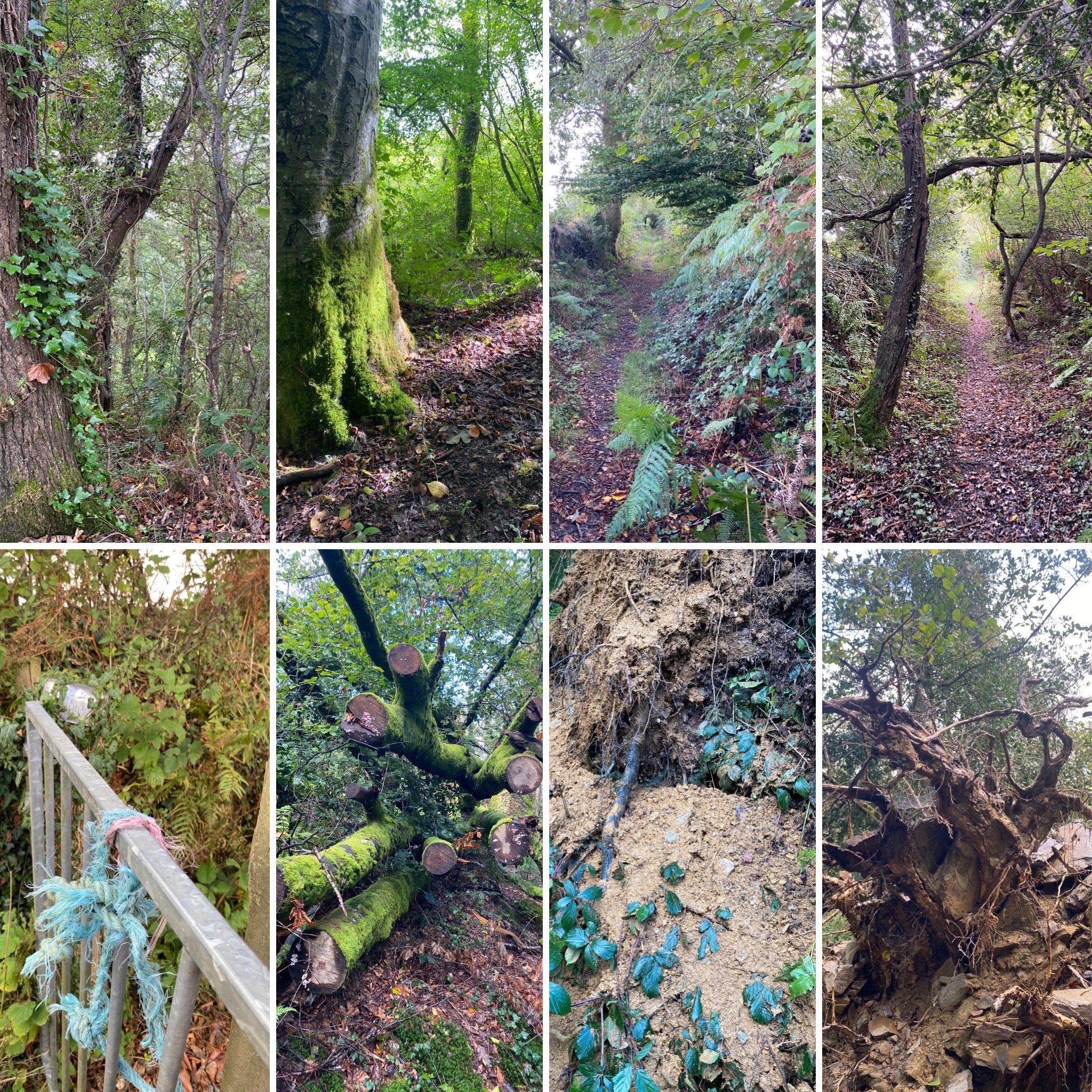
Chapter 2 Human Time - Tree Time 2026
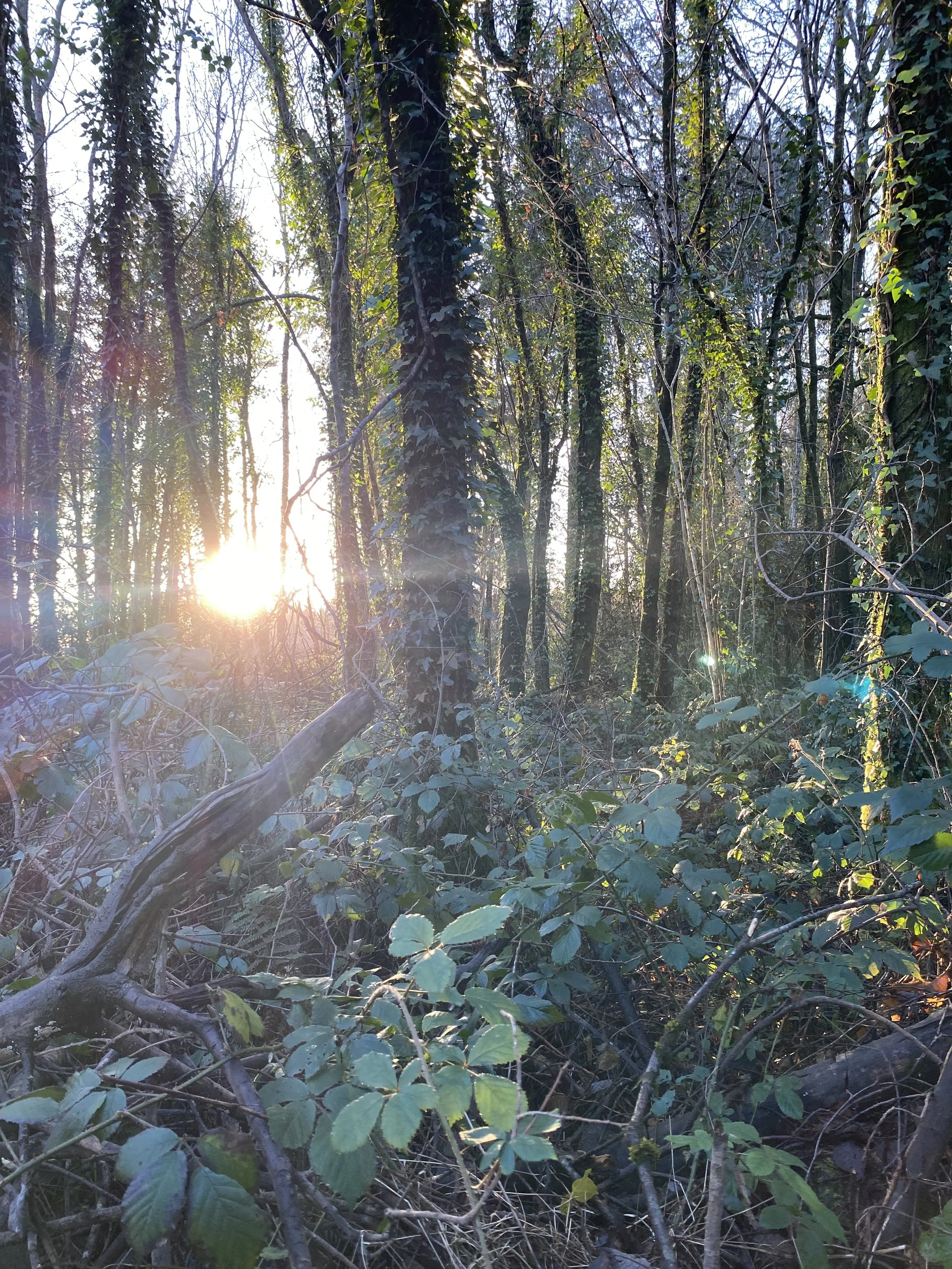
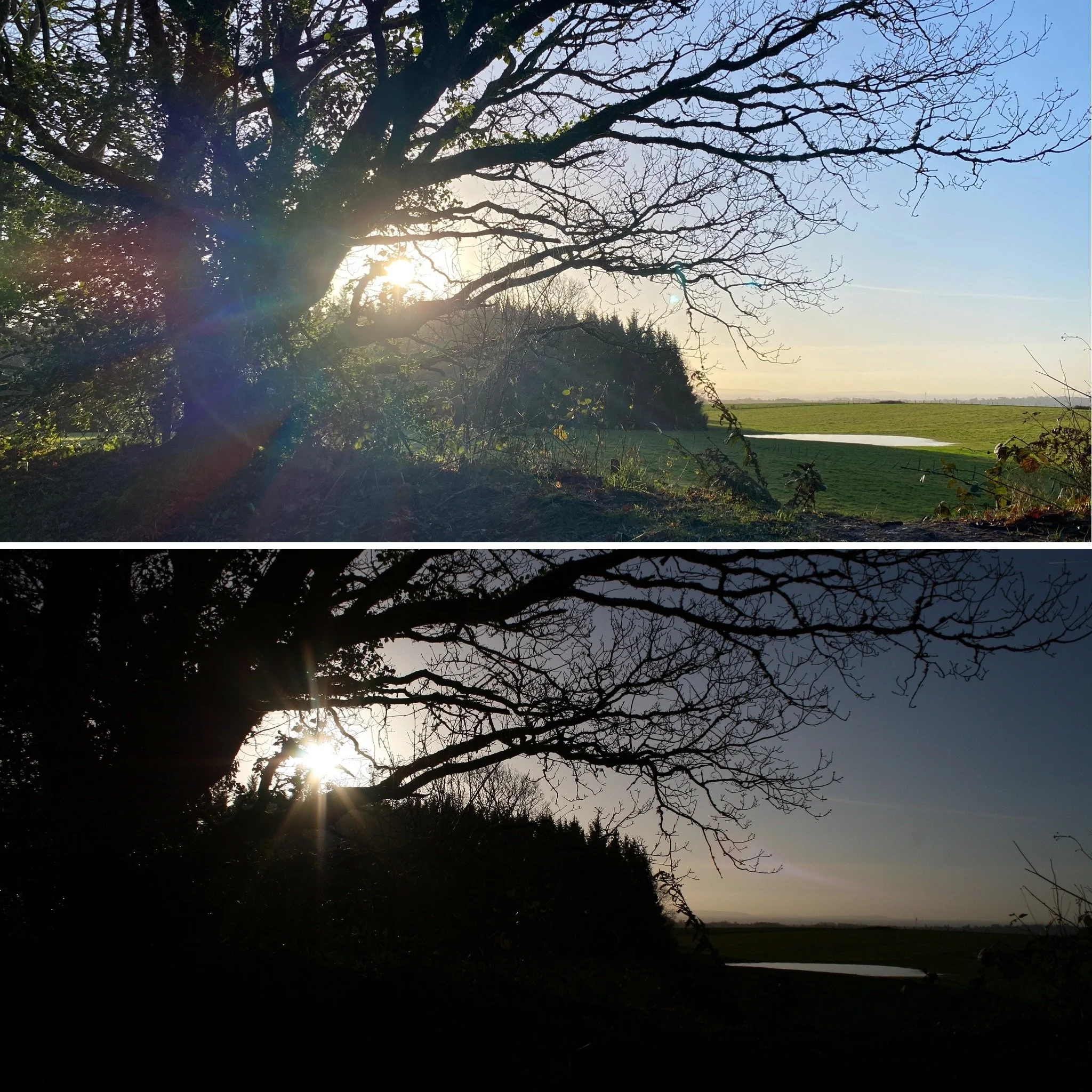
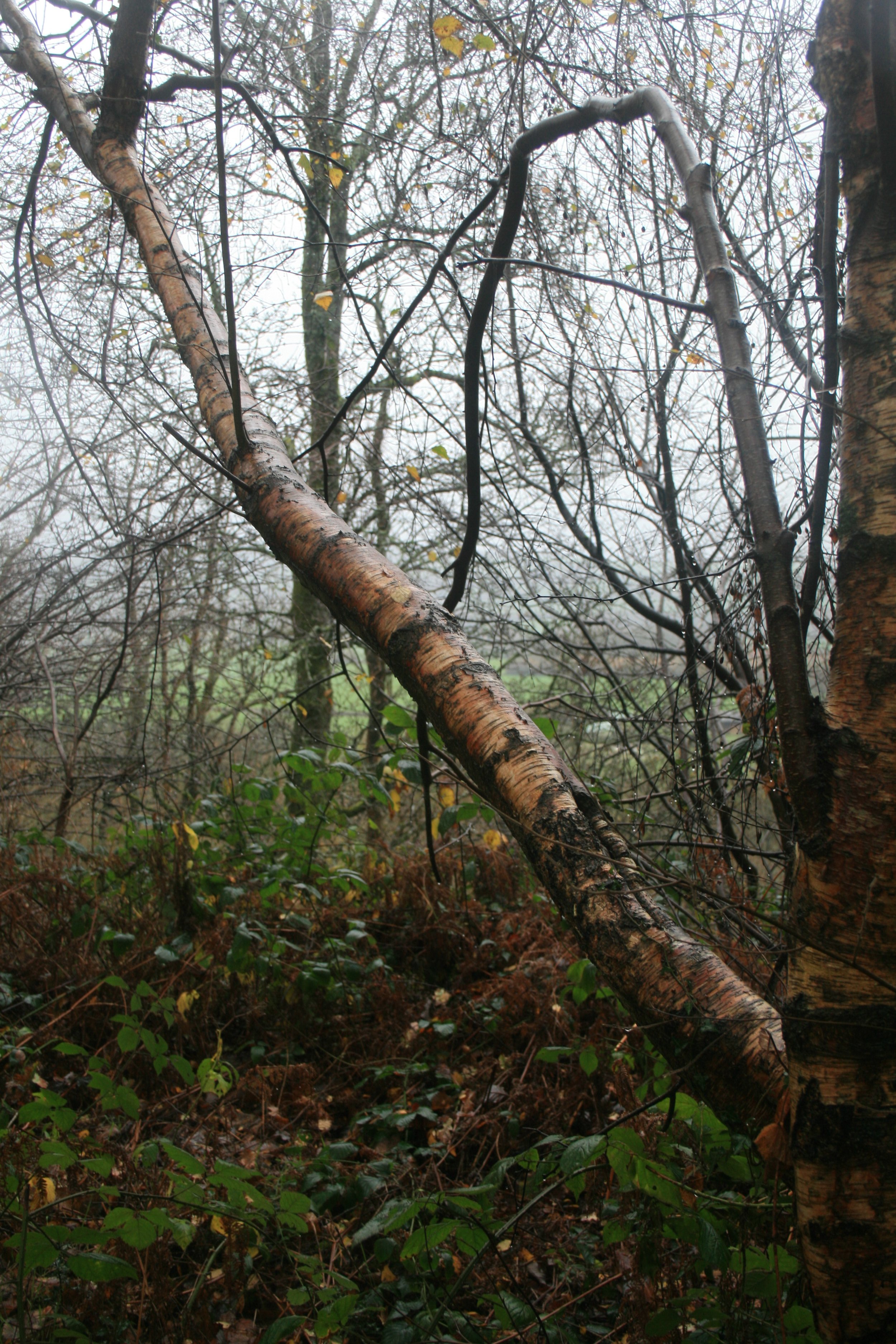
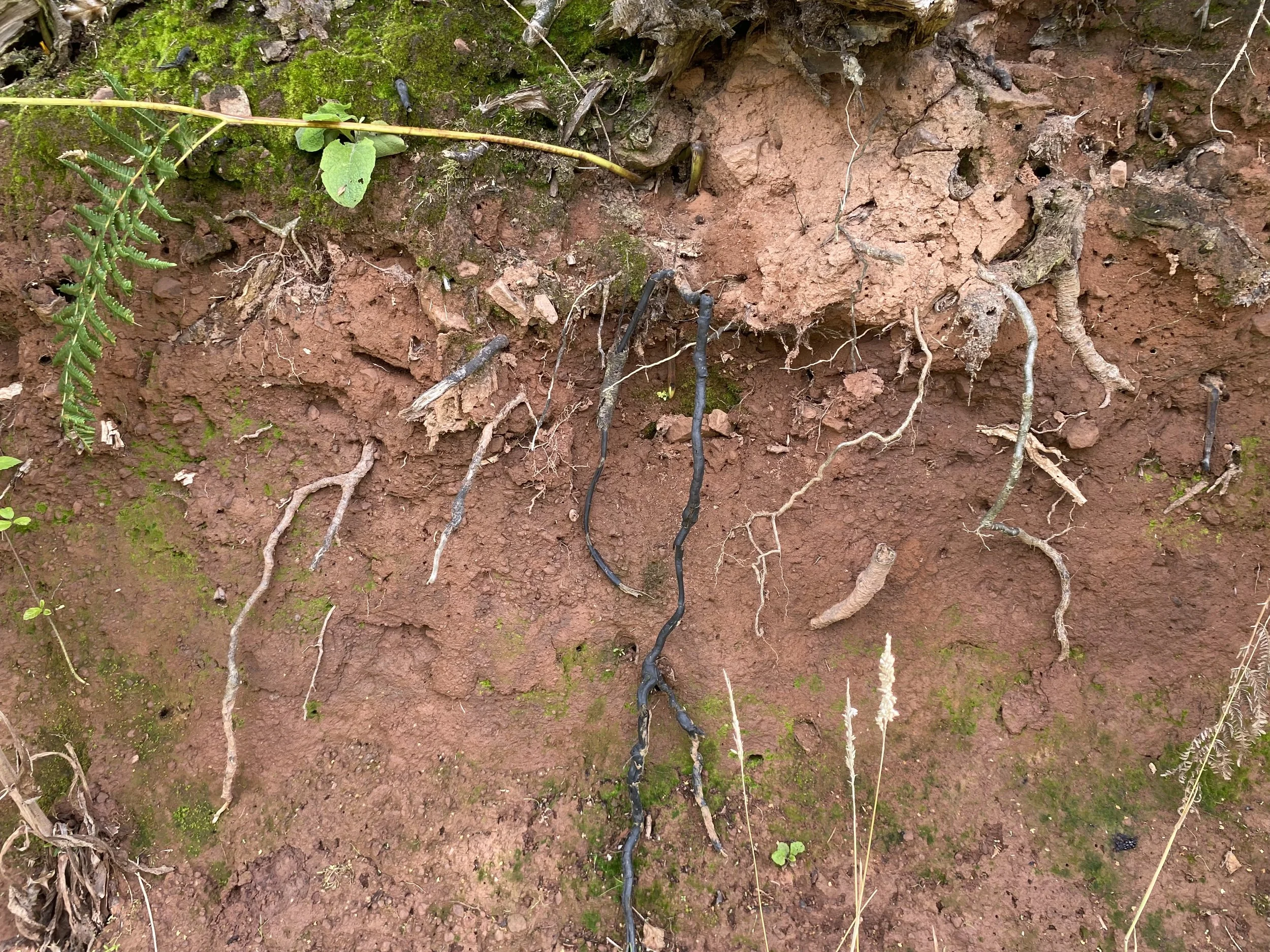
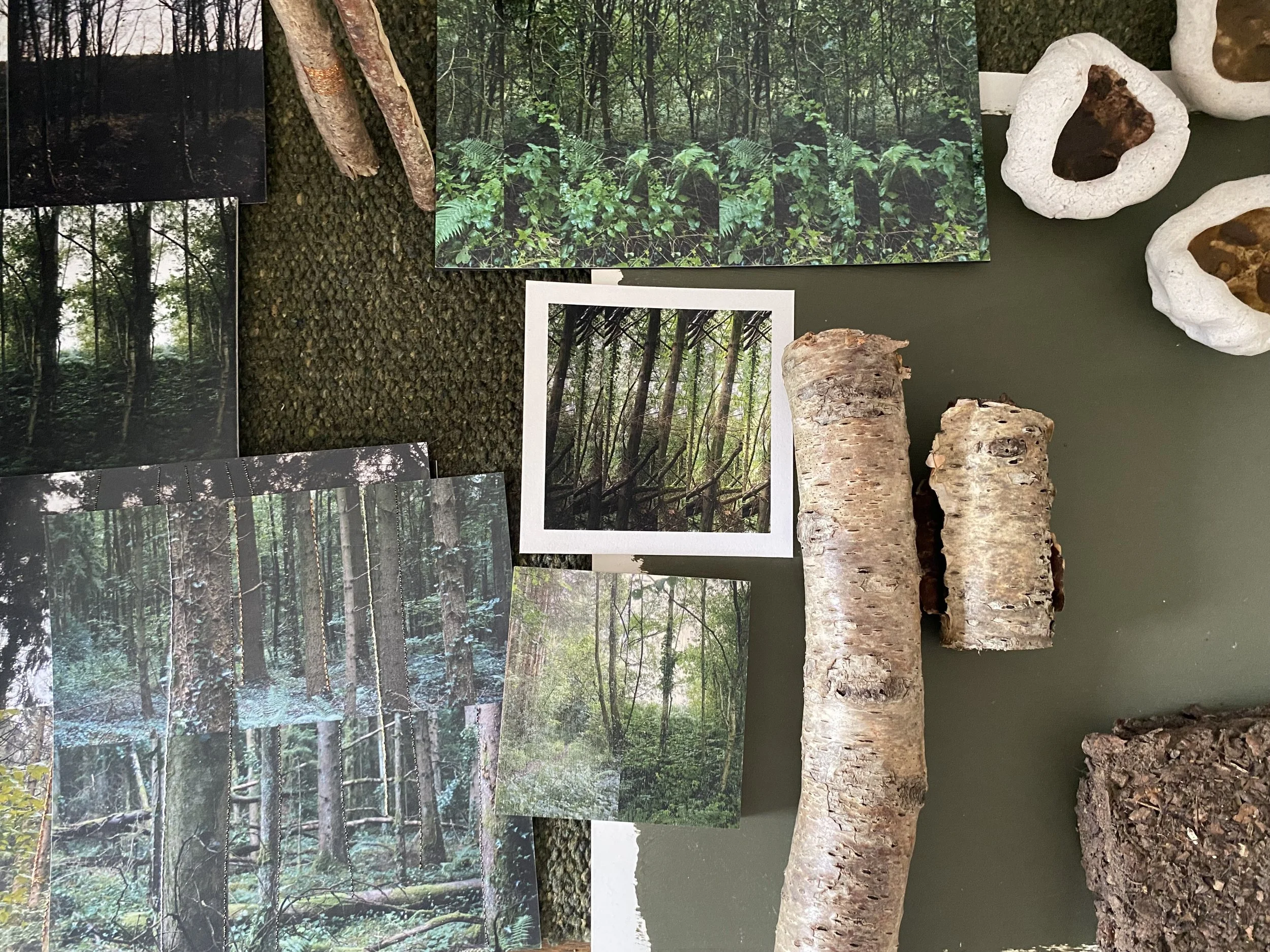
Chapter 2: Human Time – Tree Time: Coed Craig Ruperra Ancient Woodland, South Wales
Walk late summer 22nd August 2023 9.04am
Walk Winter 26th January 2024 8.38am
Late Autumn walk 14th November 2025 8.50am
In kind support with thanks to: Sue Price Trustee of Coed Craig Ruperra and Deborah Goffen
Chapter two contains observations between 2023-25 at Coad Craig Ruperra in south Wales.
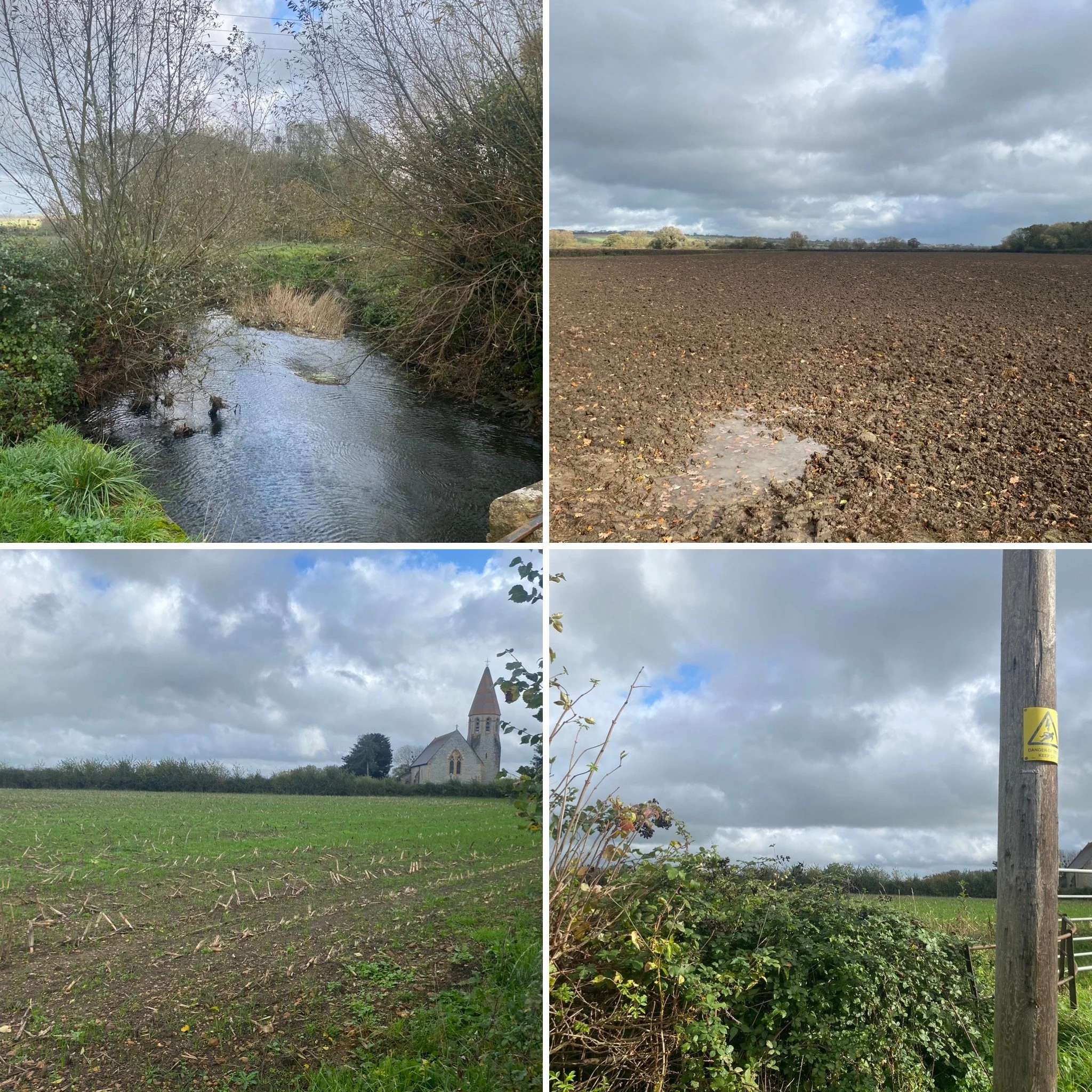
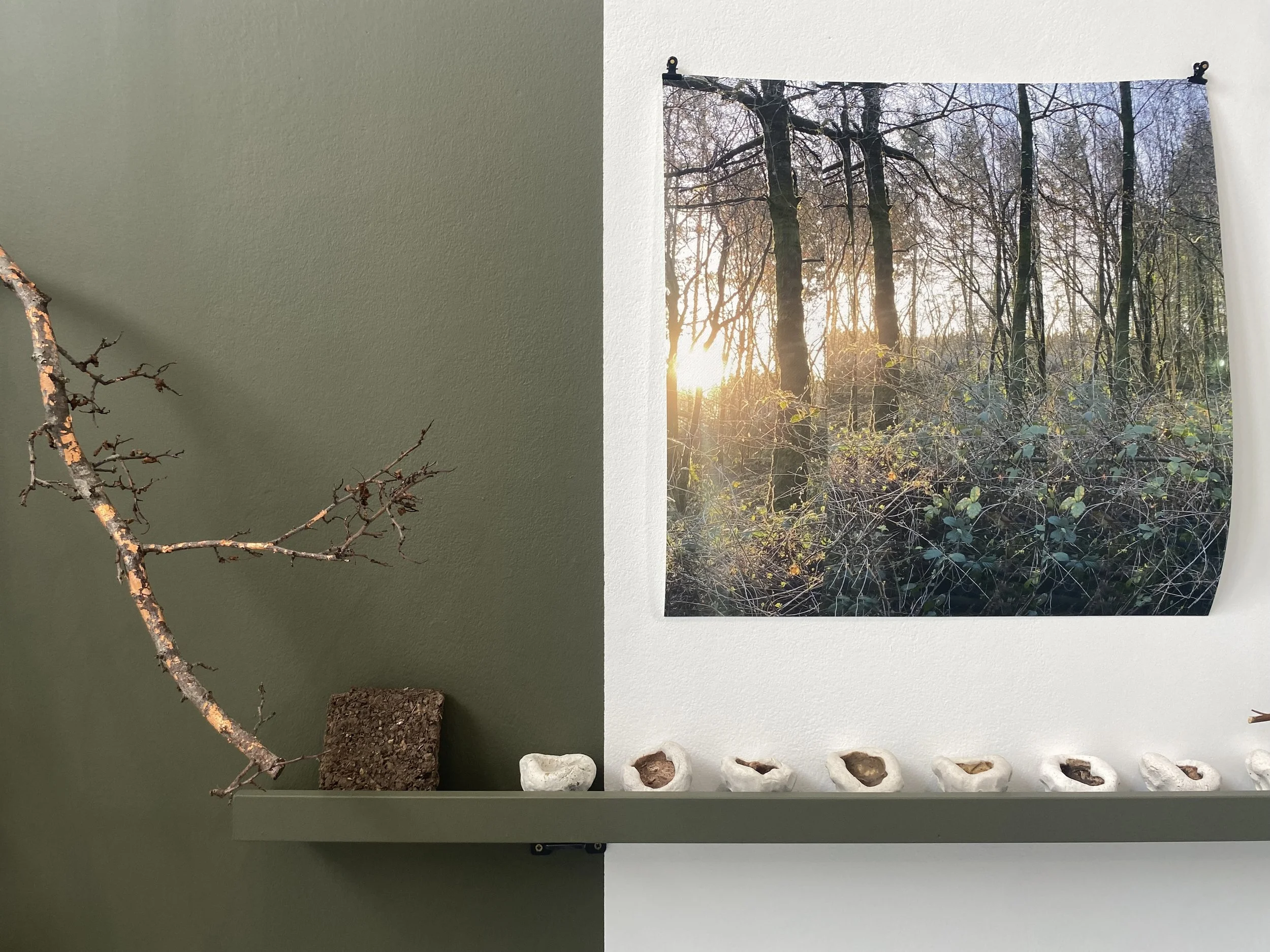
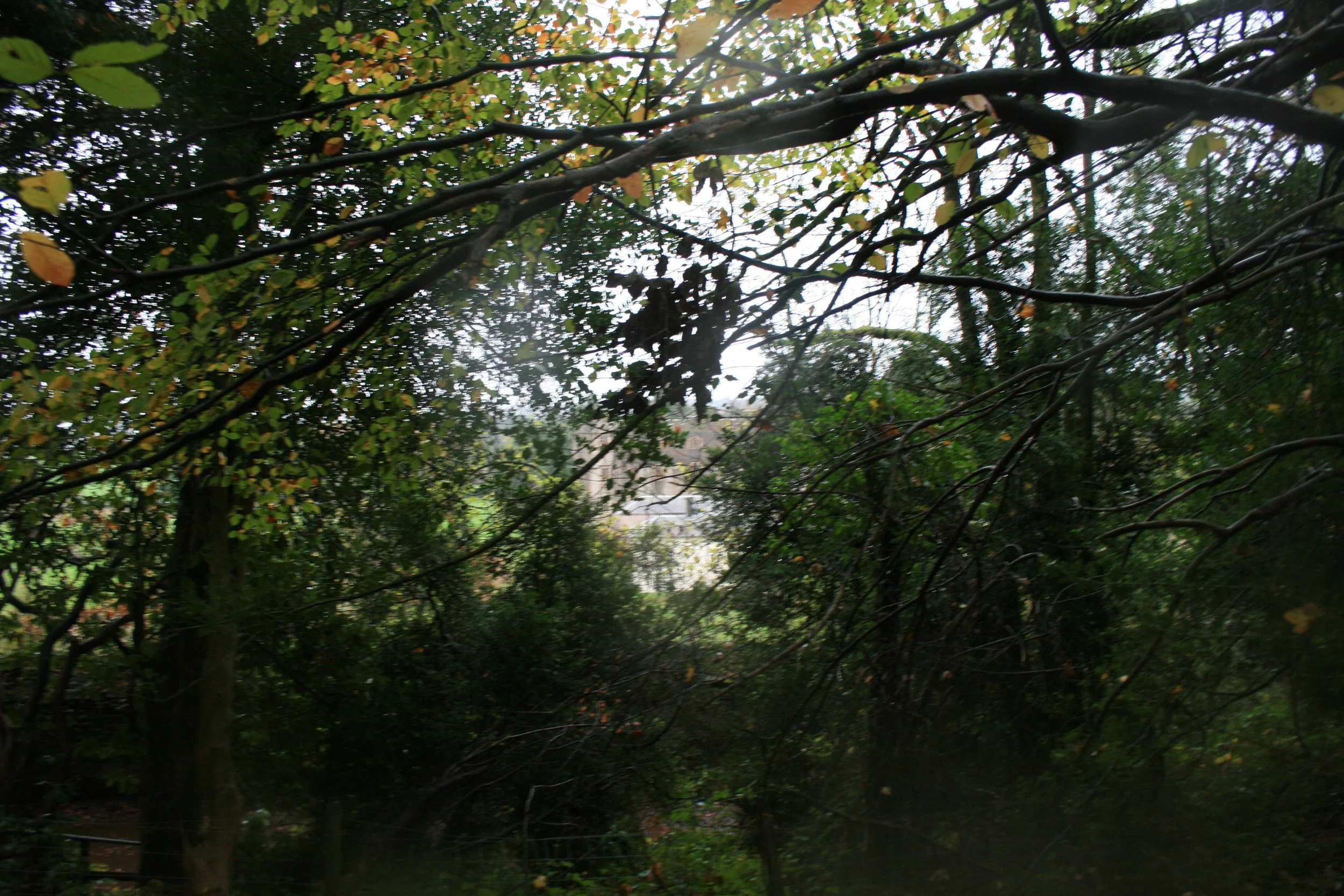
I have undertaken a series of walks in and around Coed Craig Ruperra, documenting my time there through photography, observing the changes that occur across each season - in the quality of light, the atmosphere in the air and the perception of place. Woodlands can immerse you, evoke a range of emotional responses at different times of the day, and can change swiftly with the weather.
This body of work questions how and what we see, and what we think we are seeing, how this can lead to disorientation or a distortion of our whereabouts.
‘Plants as well as their remainders and reminders, become signposts for our movement, not so much helping us orient us in space but orienting us in thought’
(Walking among plants 2017, Michael Marder, Walking (London: Whitechapel Gallery, 2024), pp. 206-209. )
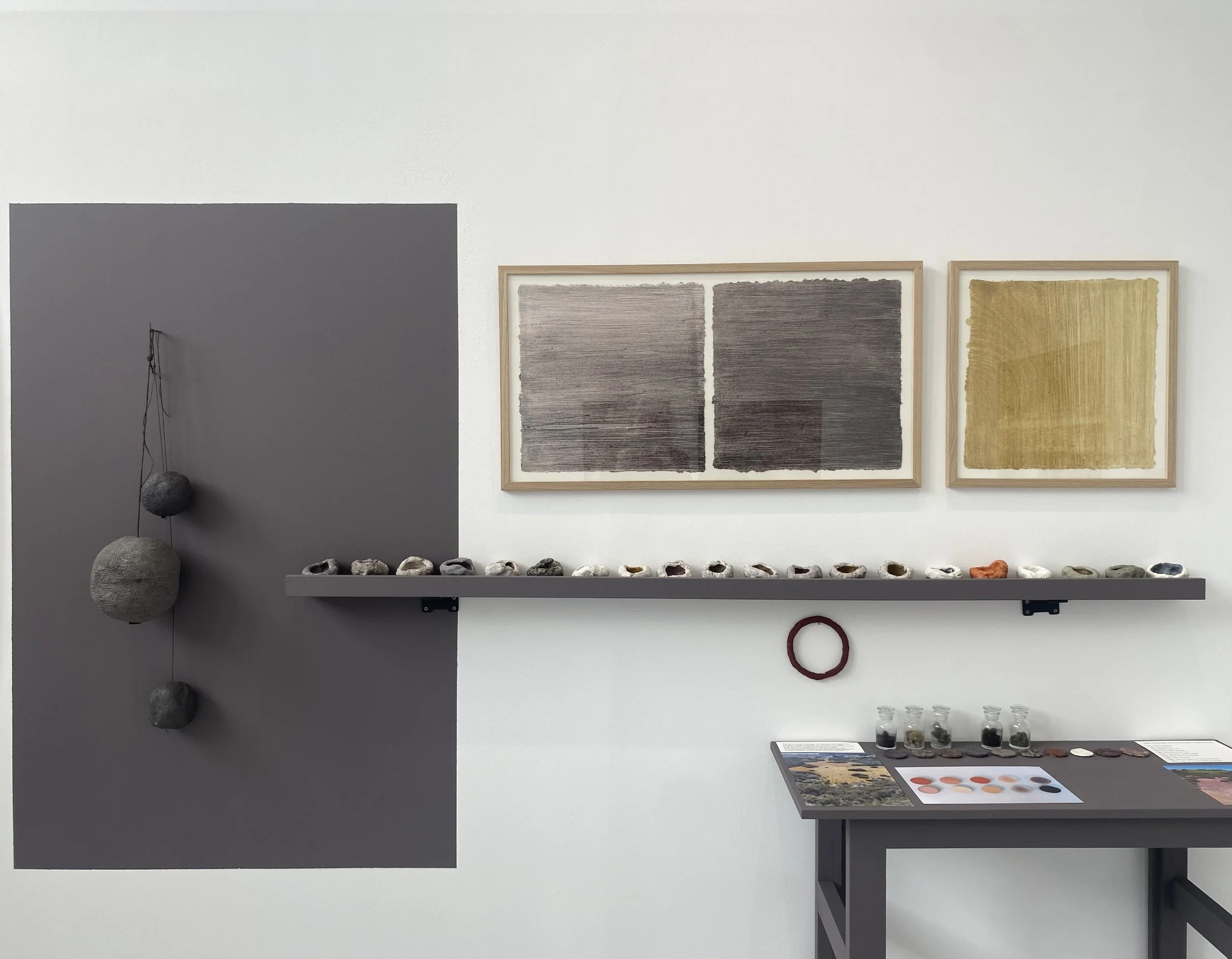
Chapter 3 Expansive Tonality 2023-26
Chapter 3: Expansive Tonality Parys Mountain Copper Mine, Anglesey
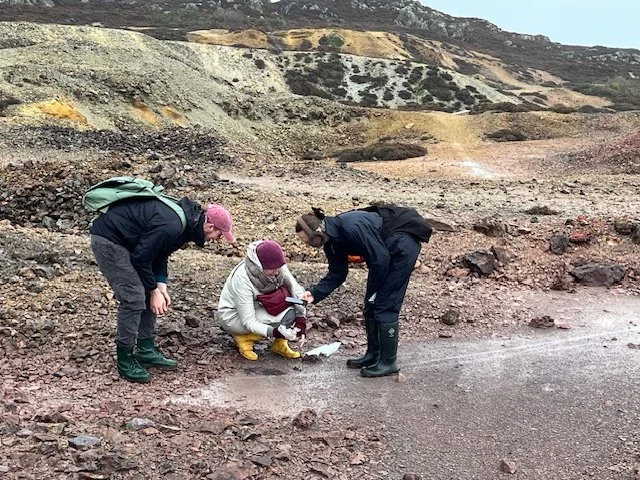
25th May 2023 15.26pm
21st October 2025 11.28am
In kind support with thanks to: Trish Bould and Martin Schwaller, Geomon and
Maia Whomsley-Walker
Parys Mountain is otherworldly, a landscape deeply scarred by centuries of extraction. It has been mined for copper since the Roman period, but reached its industrial peak during the mid-18thcentury.
The immediate draw to this site is the huge spectrum of coloured soils that saturate this post-industrial landscape. Within this final chapter, colour becomes the main focus. James Fox refers to colour as “ultimately made by its perceivers. Every hue we see around us is actually manufactured within us.”
He goes on to explain that “colour doesn’t only transmit meaning; it creates a context in which those meanings exist. Oscillating between nature and culture, experience and understanding, it mediates our relationship with the world. Colour is an ever-present through which we see the people, places, and objects around us, as well as how we think and feel about them.”
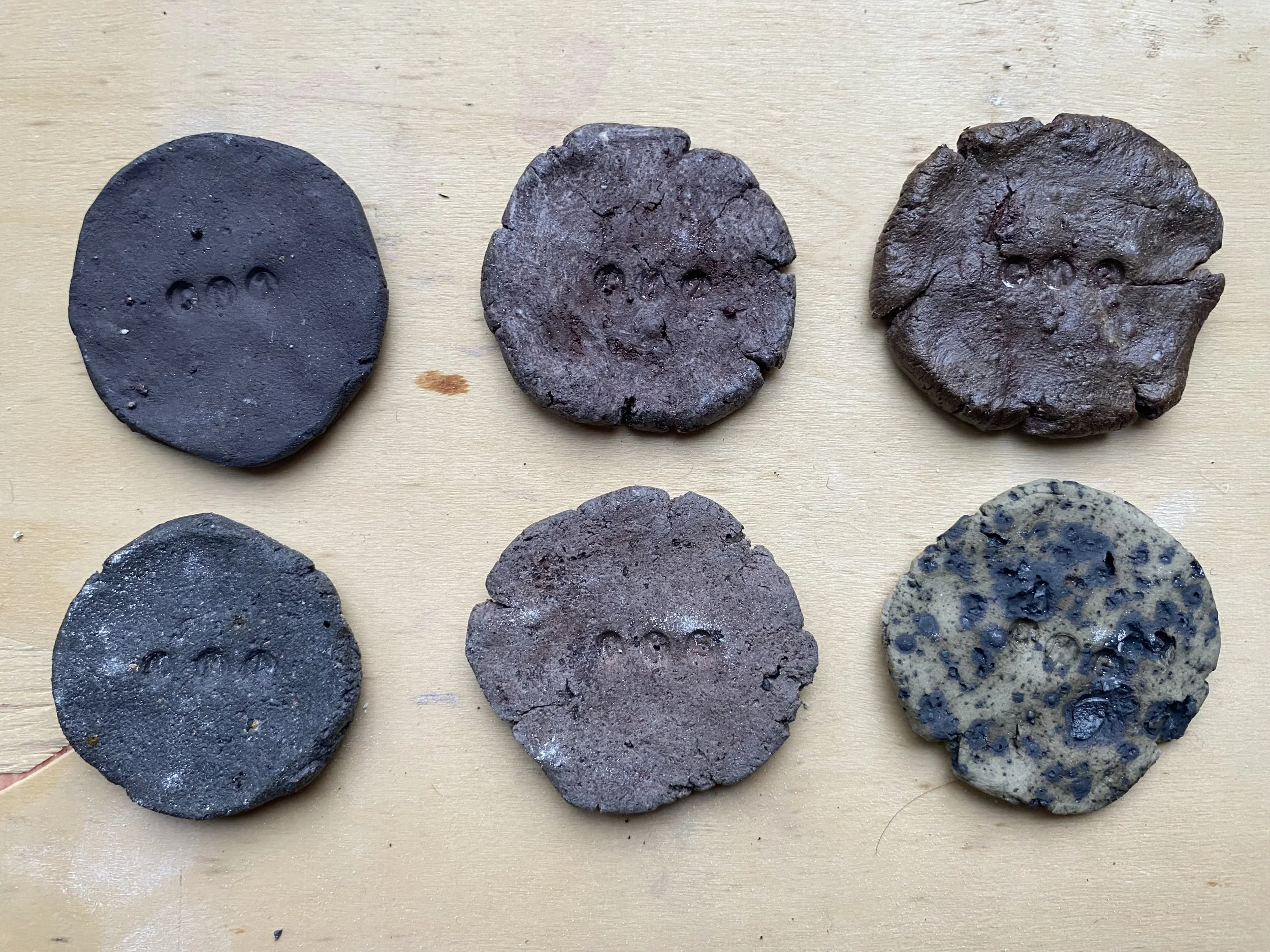
This study comprises of a series of ceramic tests and exploratory pieces of work, drawings and works on paper using soils collected from site.